
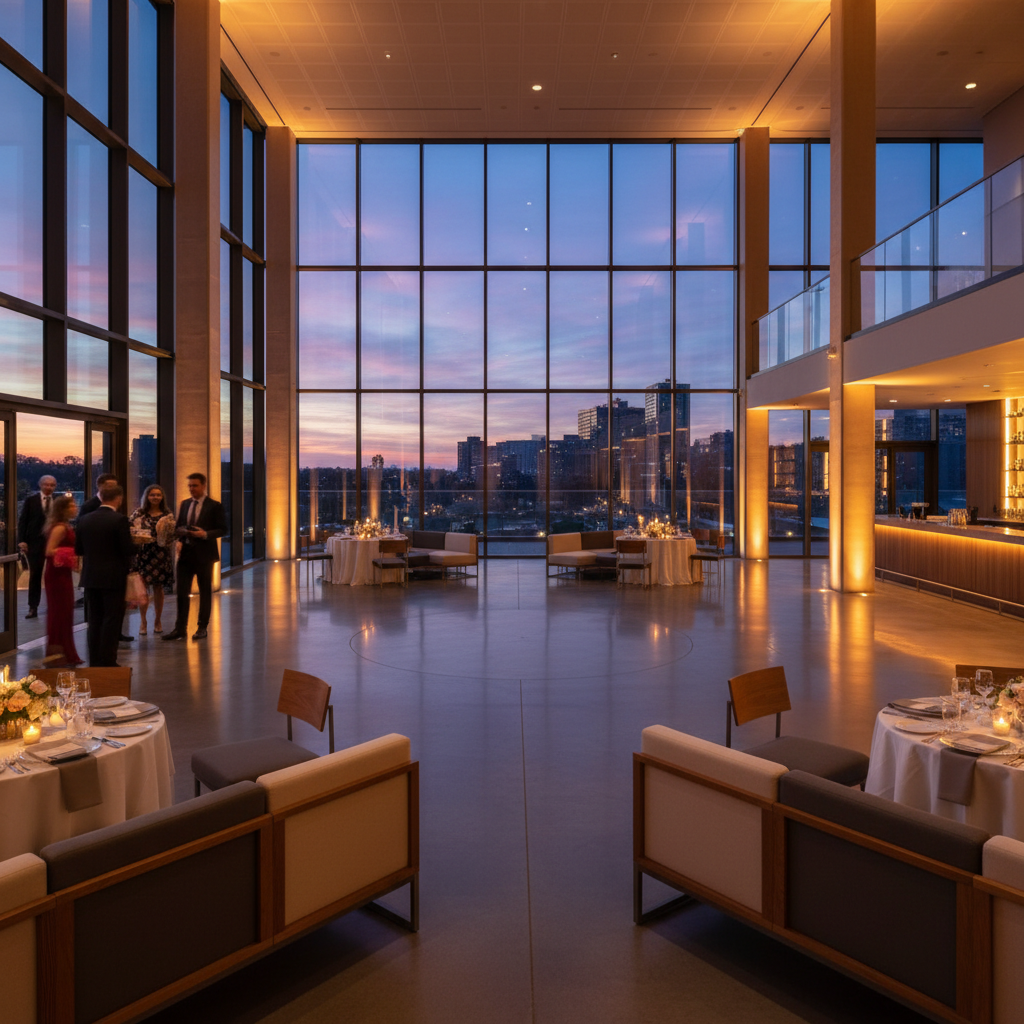
Modern Event Space Woodbridge: The Complete Venue Guide
Planning a wedding, gala, or corporate offsite in the Woodbridge area? If you’re searching for a modern event space Woodbridge planners trust, this practical guide shows you how to evaluate, design, and run a seamless event in a flexible, contemporary venue—without guesswork or stress.
- What “modern” really means for venues today
- How to compare spaces, layouts, and amenities
- Ways to design guest flow, lighting, and AV like a pro
- Step-by-step booking and production checklists
- Common pitfalls to avoid on event day
Quick Answer
A modern event space in the Woodbridge area blends flexible layouts, contemporary design, and reliable AV for weddings and business events. My Business shares this guide so you can evaluate venues confidently and create an experience that matches your vision in Woodbridge.
Overview
- Modern = flexible: movable dividers, open floor plans, and neutral palettes that accept any theme.
- Power + AV matter: plan circuits, speaker coverage, mic types, and projection early.
- Guest flow rules: entrances, bars, seating, stages, and exits should feel intuitive.
- Policies protect you: understand vendor rules, insurance, and timelines before you sign.
- Contingencies win: weather, delays, and tech backups keep your show on track.
Local Tips
- Tip 1: Coordinate vendor load-in around peak commute windows that affect the broader Woodbridge area; ask the venue for preferred loading docks and any municipal restrictions on curb access.
- Tip 2: Build a seasonal plan. In summer, verify HVAC capacity during full guest counts; in colder months, confirm vestibules and coat check layouts to avoid entry bottlenecks.
- Tip 3: Noise ordinances and event permits can vary by municipality near Woodbridge. Confirm cutoff times and insurance requirements with the venue’s onsite manager.
IMPORTANT: Always rely on the venue’s latest written policies and local guidelines for final decisions.
What Is a Modern Event Space?
A modern event space in Woodbridge blends contemporary aesthetics with operational flexibility so you can stage ceremonies, receptions, galas, and corporate sessions in one place.
- Design language: clean lines, neutral color palettes, and adaptable decor zones.
- Modular layout: open plans, movable dividers, and multi-use rooms that flip between formats.
- Upgraded power/AV: reliable circuits, built-in speakers, projection, and strong connectivity for streaming.
- Guest-first flow: intuitive wayfinding from arrival to exit, with clear lines of sight.
- Accessibility: ADA-friendly entries, restrooms, ramps/elevators, and reserved seating options.
- Back-of-house readiness: staging, storage, and organized load-in paths for vendors.
Why a Modern Event Space in Woodbridge Matters
- Fits many formats: ceremonies, receptions, offsites, workshops, and fundraisers—often in the same day.
- Aligns with your look: neutral backdrops and lighting let your theme or brand shine.
- Tech that works: presentations, live music, and streaming feel smooth, not patched together.
- Efficient operations: better load-in routes, equipment power, and vendor access reduce stress.
- Better guest experience: straightforward seating, strong audio, and comfortable climate control.
Curious how lighting, layout, and AV choices wow guests? See practical inspiration in this internal guide on tech features that wow guests for a deeper dive into modern touches.
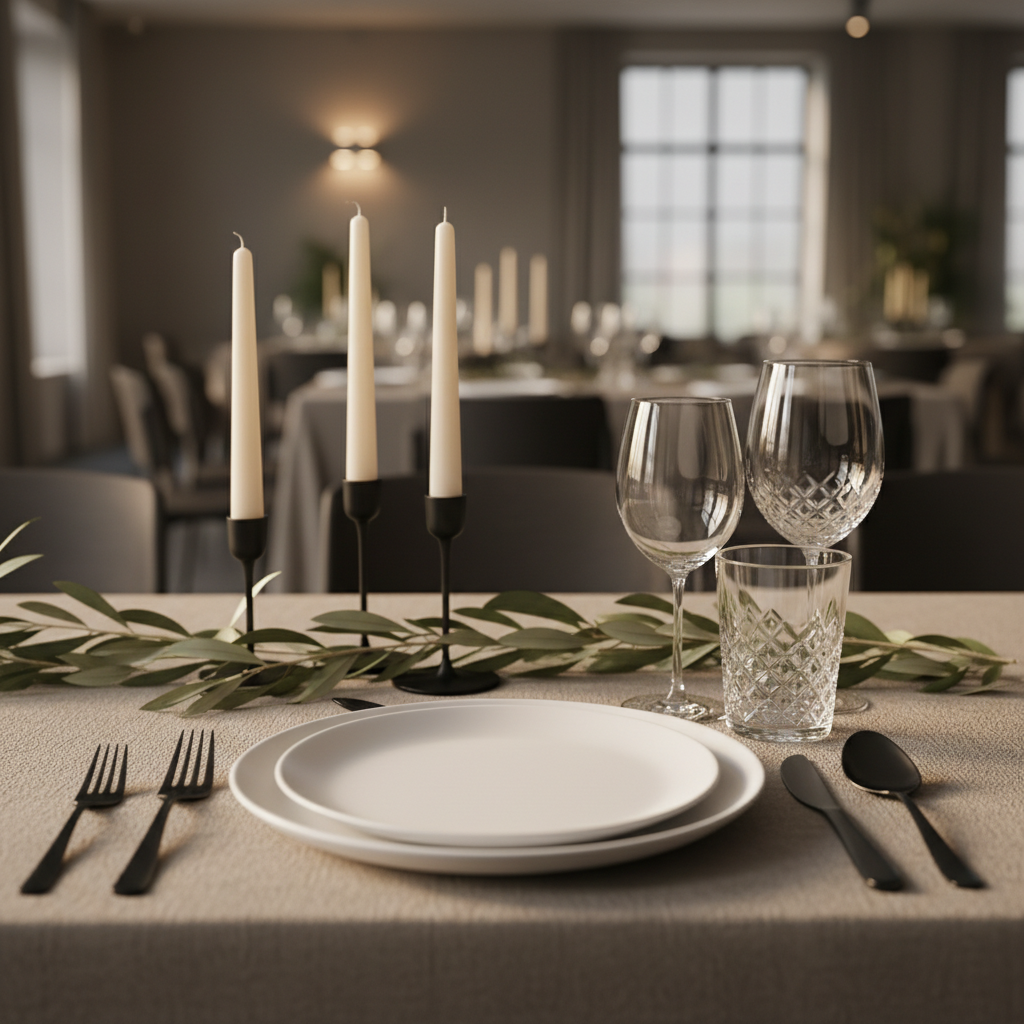
How Venue Selection Works (Step-by-Step)
Use these steps to pick the right modern event space and get your production plan locked.
- Define outcomes:
- Guest count ranges (min–max) and desired format (seated, standing, theater).
- Key moments: ceremony, grand entrance, first dance, keynote, auction.
- Vibe: elegant and formal, modern minimalist, or lively and social.
- Shortlist spaces:
- Filter for “modern event space Woodbridge” and verify recent photos and floor plans.
- Check built-in AV, load-in path, ceiling height, and power access near staging.
- Confirm accessibility features and proximity to parking or ride-share pickup.
- Conduct site visits:
- Walk guest paths: entry to bar to seating to stage to exits.
- Stand where speeches happen; listen for echoes or HVAC noise.
- Test sightlines for stage, screens, and dance floor from multiple seats.
- Vet vendor fit:
- Clarify catering logistics, prep areas, and service routes.
- Ask about decor policies (ceiling rigging, candles, adhesives).
- Confirm music rules, DJ/band placement, and noise cutoff times.
- Review terms and holds:
- Understand rental windows, early access, and teardown timing.
- Note insurance, security, and any required staffing.
- Document responsibilities across your team and the venue.
- Production plan:
- Create a run of show with timestamps and owner per task.
- Map power for lighting, sound, catering, and displays.
- Write contingency plans for weather, delays, or AV swaps.
Types & Approaches You’ll See
Different modern venues create very different experiences. Match the format to your event goals.
- Loft/industrial: high ceilings, polished concrete, exposed beams—great for dramatic lighting designs.
- Gallery/white-box: minimal backdrops that spotlight florals, drape, and branded visuals.
- Modern banquet hybrid: contemporary finishes with prep spaces and storage for smooth service.
- Indoor–outdoor: patios, courtyards, or rooftops with climate-controlled interiors for backups.
- Studio/flex: black-box spaces that can become immersive staging with projection and scenic builds.
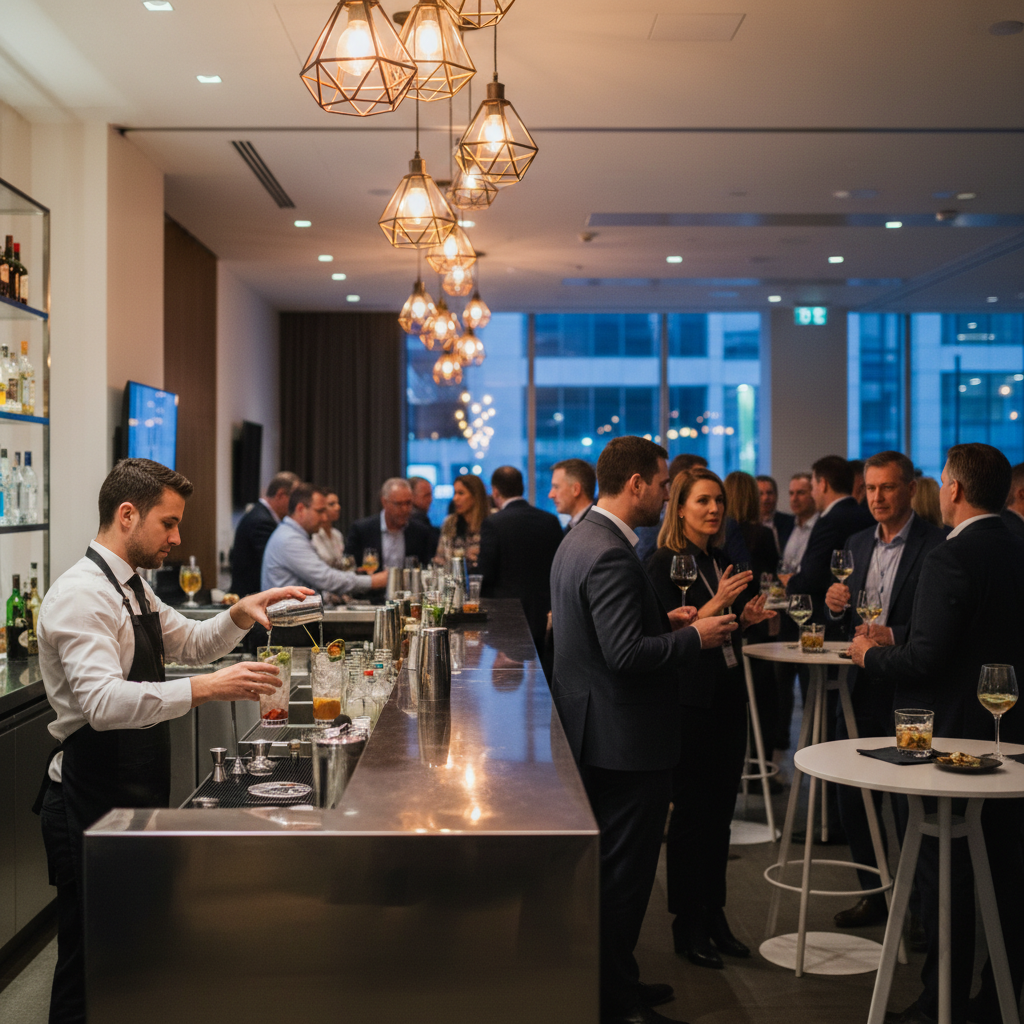
Best Practices for Booking and Design
Here’s the playbook we wish every host had on day one.
Capacity & Layout
- Right-size the room: choose a space that feels full at your expected guest count.
- Seat-map early: place VIPs with clear stage views; plan ADA aisles at 36″ or wider.
- Plan flips: if turning ceremony into dinner, preassign flip crew and timing.
Lighting That Works
- Layer it: ambient wash, task light for food/stations, accent for florals and focal points.
- Dimmable control: create transitions between dinner, speeches, and dancing.
- Color discipline: keep colors cohesive; test for skin tones on camera.
Sound & Speech Intelligibility
- Match PA to format: distributed speakers for dinner, focused arrays for stage-heavy programs.
- Mic mix: lavs for speakers, handhelds for toasts, backup mics ready.
- Soundcheck: schedule a quick rehearsal with the emcee and band/DJ.
Power & Technical Readiness
- Map circuits: separate lighting, audio, and catering to avoid overloads.
- Cable management: cover runs on walkways; avoid tripping hazards.
- Backup gear: spare cables, extra power strips, and a contingency audio source.
Guest Comfort & Flow
- Entry experience: welcome signage and staffed check-in away from wind/exhaust.
- Bar logistics: multiple stations reduce lines; place away from entrance bottlenecks.
- Quiet lounge: set a conversation area far from speakers for accessibility and comfort.
Vendor Coordination
- Single timeline: one master schedule shared by all vendors and the venue.
- Point people: assign a decision-maker for the client side and a venue contact.
- Run-through: brief cue-to-cue for entrances, speeches, and special moments.
Free Planning Checklist
Want a clean, one-page checklist for your modern event space walkthrough? Reach out to our team at My Business, and we’ll share the template we use to keep events on track.
Tools & Resources
Simple tools keep planning organized and calm.
Checklists & Templates
- Venue walkthrough checklist: power, AV, lighting, access, and contingency items.
- Run-of-show timeline: timestamps, owners, cues, and breaks in one sheet.
- Vendor contacts list: names, roles, phone numbers, and call order.
Planning Aids
- Floor plan app: seat maps, table numbering, and sightline tests.
- Lighting lookbook: visual references for uplighting, pin spots, and dance-floor effects.
- Audio checklist: mics, zones, monitors, and backup sources.
Operational Docs
- Logistics packet: load-in map, dock instructions, elevator/ramp access, and parking notes.
- Safety plan: cable covers, spill kits, and emergency contacts.
- Policy summary: decor rules, noise cutoffs, alcohol service, and security requirements.
Case Studies & Examples
Use these real-world patterns to spark ideas for your modern event space in Woodbridge.
- Micro-wedding (60–80 guests):
- Ceremony on end-cap, flip to dinner in 30 minutes with uplights pre-cabled.
- Sweetheart table centered with tight dance floor; speeches on handheld.
- Ambient wash in warm white; pin spots for cake and florals.
- Corporate offsite:
- Morning theater for keynote; afternoon workshop pods with whiteboards.
- Livestream-ready audio with stage wash and confidence monitor.
- Evening reception lighting shift; playlist moves from talk to mingle.
- Gala/fundraiser:
- Step-and-repeat at entry; silent auction in adjacent zone for flow.
- Stage with media riser; auction paddles stored by row for fast counts.
- Ushers trained on accessibility seating and aisle widths.
- Quinceañera or sweet 16:
- Spotlighted court entrances; choreographed dance with marked cues.
- Dessert action station near photo booth to distribute traffic.
- DJ booth power isolated from catering to avoid audio dips.
- Brand launch:
- Projection-mapped reveal; product on raised plinth with soft edge light.
- Demo area fenced by stanchions; staff on-boarding flow rehearsed.
- Press check-in separate from general guests; media time buffers.
- Holiday party:
- Themed washes and gobo patterns; photo op scenes in low-traffic corners.
- Late-night bites staged near exit to stagger departures.
- Ride-share pickup zone marked to prevent curb congestion.
- Community awards:
- Reserved seating blocks; ASL placement with clean sightlines.
- Printed run-of-show at stage for smoother handoffs.
- Quiet waiting area for honorees before stage calls.
- Hybrid meeting:
- Stage wash and lav mics for the panel; chat moderator for virtual Q&A.
- Redundant internet; test screen share and video playback.
- Backup recording on a hardware encoder or secondary laptop.
- Art showcase:
- Gallery pedestals and track lighting; flow guarded to avoid clusters.
- Soft music with low-level narration zones.
- Merch table near exit with mobile payments and bag storage.
- Wellness retreat:
- Open floor, natural textures, hydration bar, and quiet lounge.
- Soft white lighting with optional sunrise/sunset looks.
- Phone-free area; basket storage and gentle signage at entry.
- Job fair:
- One-way lanes, numbered booths, interview nooks, and resume drop.
- Power to select booths; network to registration desk.
- Quiet room for candidates needing a reset.
- Workshop day:
- Pipe-and-drape for breakout markers; writable walls or flip charts.
- Materials check-in; labeled bins; cleanup crew assigned by block.
- Afternoon plenary for share-backs; AV shifts pre-programmed.
Layout & Format Comparison
| Format | Best For | Pros | Watch-outs |
|---|---|---|---|
| Seated banquet | Weddings, galas | Formal feel, easy meal service | Needs wide aisles; dance floor placement matters |
| Standing reception | Launches, holiday parties | High energy, networking-friendly | Plan seating for elders; manage line-of-sight |
| Theater | Keynotes, awards | Max capacity, strong focus | Requires clear audio and stage wash |
| Workshop pods | Training, offsites | Hands-on, collaborative | Noise control and power at tables |
Pricing Considerations (No Numbers—What to Evaluate)
- What’s included: tables/chairs, basic AV, lighting, and onsite support.
- Time windows: standard rental hours, early access, and teardown.
- Vendor policies: preferred lists, open vendors, and service minimums.
- Insurance/security: COIs, security staffing, and damage coverage.
- Change orders: how add-ons or schedule shifts are handled.
- Terms: holds, postponements, and cancellation policies.
For context on planning expectations, browse a local planning overview like this start-planning page to see how some venues outline timelines and roles.
FAQ
How do I estimate capacity for a modern event space?
Match your preferred format to typical square-footage guidelines, then validate with a scaled floor plan. Account for staging, bars, buffets, lounge areas, and ADA pathways. Pressure-test during your site visit and ask the venue for sample layouts that fit your count.
What AV should I confirm before booking?
Ask about power circuits, load-in path, stage size, projector/lens throw, screen placement, built-in speakers, mic types, and connectivity for streaming. Request a tech walk-through and a simple signal-flow diagram if the program is presentation-heavy.
How can I improve guest flow?
Separate the welcome, bar, and seating zones. Widen aisles, keep the dance floor central, and create a quiet lounge away from speakers. Plan signage and floor staff to guide guests during flips or transitions.
What should I know about accessibility?
Confirm ramps/elevators, accessible restrooms, door widths, and reserved seating. Ensure signage and staff are ready to assist. Share the run of show with your accessibility lead so cues and paths are clear.
When should I hold a weather contingency?
Always have an indoor backup for outdoor elements, including ceremony, photo moments, and cocktail hour. Pre-run the flip with your vendor team and pre-stage furniture to make the transition fast and safe.
Key Takeaways
- Start with outcomes: choose the space that supports key moments, not the other way around.
- Test the space: check lighting, sound, and flow in person before you sign.
- Plan for change: document contingencies for weather, delays, and AV swaps.
- Align the team: share a master timeline and point-of-contact list with everyone.
Ready to explore a modern event space in Woodbridge? Use this guide to evaluate options, align your vendor team, and create a guest experience that feels effortless. For venue-side expectations, you can also skim a corporate event overview to see how professional spaces frame logistics.
