
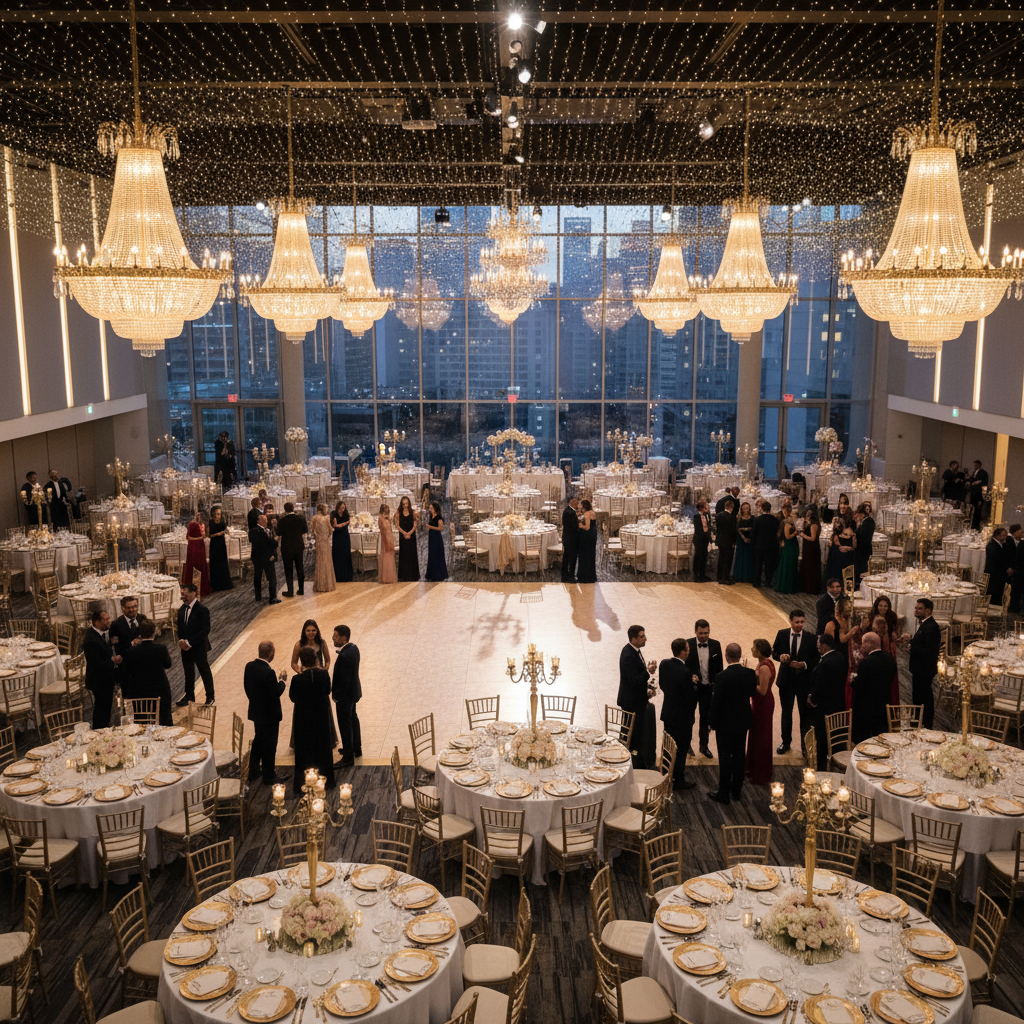
Large Wedding Venue 500 People GTA: Complete Guide
Searching for a large wedding venue 500 people GTA and feeling overwhelmed by logistics? You’re not alone. This complete guide distills how to plan a seamless 500–700 guest celebration in the Greater Toronto Area using real, on-the-ground expertise from Viceroy Banquet Hall in Woodbridge, Ontario.
- Define capacity, layout, and guest-flow requirements that actually work at scale
- Map AV, lighting, staging, and power for a program that looks and sounds amazing
- Engineer a multi-cuisine menu for 500+ guests without bottlenecks
- Build a realistic end-to-end timeline (from venue hold to grand exit)
- Leverage Woodbridge/GTA logistics (parking, hotels, highways) to your advantage
Quick Answer
For a 500-guest wedding in the GTA, Viceroy Banquet Hall in Woodbridge offers flexible rooms, modern tech, and multi-cuisine catering under one roof. It’s purpose-built for large celebrations, with layouts for 70–800 guests and on-site support to keep timelines and service on track.
Summary
- Capacity + Comfort: Seat 500+ without crowding by protecting aisle widths, sight lines, and dance floor size.
- Venue Fit: Choose an all-inclusive, modern hall with proven large-event flow and experienced staff.
- Cuisine & Culture: Offer authentic multi-cuisine menus that respect traditions and dietary needs.
- Tech & Production: Prioritize audio, lighting, screens, and redundant power to protect the program.
- Logistics: Plan arrivals, valet, parking, and vendor load-in/out around Woodbridge routes and GTA traffic patterns.
Table of Contents
- What Is a “Large Wedding Venue” in the GTA?
- Choosing a Large Wedding Venue 500 People GTA: What Matters
- Why Capacity and Flow Matter for 500 Guests
- How Large-Venue Weddings Work (End-to-End)
- Layouts, Service Styles, and Staging Options
- Best Practices for 500–700 Guest Weddings
- Tools, Checklists, and Resources
- Case Studies and Real-World Examples
- FAQ
- Key Takeaways
- Conclusion & Next Steps
What Is a “Large Wedding Venue” in the GTA?
In a metro as diverse and bustling as the GTA, “large” typically means 400+ guests, full dinner service, and a production-heavy program (grand entrances, multiple speeches, performances, and a dance party). The right hall is designed—not just sized—for that reality.
- Capacity bands to know:
- 400–500: Large, single-room receptions with moderate staging
- 500–650: Very large; requires high kitchen throughput and staffing levels
- 650–800: Mega events; benefit from zoned seating and precision timelines
- Functional spaces you’ll need:
- Grand ballroom with lines of sight from every table
- Spillover foyer/cocktail areas to disperse crowds
- Back-of-house corridors for catering runners and vendor access
- Green rooms or family suites for outfit changes and photos
- Hallmarks of the right venue:
- Flexible floor designs for 70–800 guests
- Modern AV backbone (rigging points, dimmable lighting, reliable power)
- In-house, multi-cuisine catering with cultural expertise
- Experienced management and a service-first team
If you’re exploring options, review the dedicated wedding experiences overview to see how Viceroy approaches large guest counts, cultural traditions, and all-inclusive planning.
Choosing a Large Wedding Venue 500 People GTA: What Matters
Capacity is more than how many chairs fit inside a ballroom. It’s also comfort, circulation, and how fast teams can serve a full room.
- True seating capacity: Ask for sample floor plans that preserve wide aisles and a substantial dance floor.
- Kitchen throughput: Confirm how many entrées can be plated and delivered per minute without quality loss.
- AV readiness: Screens, power access, lighting control, and acoustics all affect guest experience.
- Vendor logistics: Separate load-in routes minimize guest disruption and keep the day on time.
- All-inclusive support: A venue with in-house catering and coordinated staff reduces vendor wrangling.
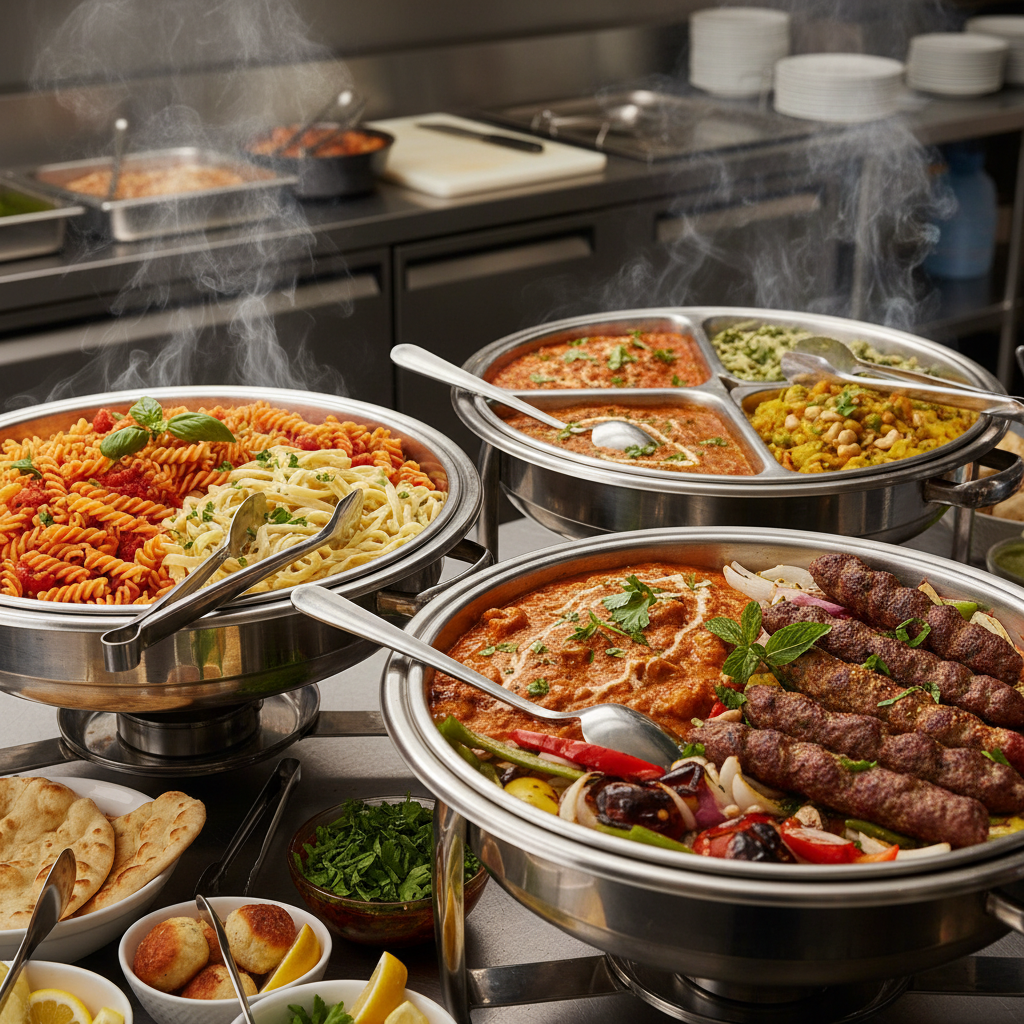
Viceroy Banquet Hall was purpose-built around these criteria, with flexible floor designs for 70–800 guests and multi-cuisine catering spanning Italian, Continental, Indian, Pakistani, Afghan, Sri Lankan, and Somali menus—ideal for culturally rich GTA weddings.
Why Capacity and Flow Matter for 500 Guests
The bigger the guest count, the more small frictions become big delays. A venue engineered for scale prevents bottlenecks you can feel in the room.
- Service speed: Kitchens must plate hundreds quickly to keep the program on time.
- Guest comfort: Wide aisles, clear sight lines, and intentional traffic patterns reduce congestion.
- Program timing: Coordinated cues for entrances, speeches, and entertainment keep energy high.
- Tech reliability: Redundant audio, lighting controls, and dedicated power circuits protect the show.
- Vendor logistics: Separate load-in routes keep back-of-house discreet and efficient.
How Large-Venue Weddings Work (End-to-End)
Here’s a proven, big-day workflow used for large receptions in Woodbridge and across the GTA. Adapt this to your culture, timeline, and vendor team.
Booking to Design (6–12 months out)
- Reserve a ballroom that seats 500+ with both dance floor and stage included.
- Lock primary dates and build a rain-plan for photo sessions and outdoor moments.
- Outline cultural and culinary traditions (e.g., South Asian, Italian, Somali).
- Draft a high-level run-of-show with your planner and MC.
- Confirm AV footprint: screens, stage wash, uplighting, and DJ/band needs.
- Walk the space twice—once during daylight and once in the evening lighting look.
Menu Planning (3–6 months out)
- Choose a multi-cuisine menu that respects dietary requirements without slowing service.
- Plan cocktail-hour stations that disperse crowds across the foyer.
- Schedule a tasting; refine spice levels and portion flow for 500+ guests.
- Coordinate dessert timing so late-night service doesn’t interrupt dancing.
- Align kitchen fires and server waves with your speech schedule.
Final Month: Operations Lock
- Confirm floor plan, table numbering, and emergency egress.
- Share final guest count and seating chart with the venue and planner.
- Distribute vendor schedule for load-in, sound check, and strike.
- Rehearse entrances and mic handoffs with MC, DJ, and AV tech.
- Finalize security, valet, and parking plan with clear signage.
Event Day Timeline (Sample)
- 8:00 AM: Vendor load-in; staging, lighting, and decor install
- 2:00 PM: Final AV checks; slideshow and walk-in music test
- 5:30 PM: Cocktail hour opens; roaming hors d’oeuvres stations
- 7:00 PM: Doors to ballroom; family introductions
- 7:20 PM: Couple grand entrance and first dance
- 7:30–9:00 PM: Dinner service in coordinated waves
- 9:00 PM: Speeches and performances (AV cues pre-timed)
- 10:00 PM: Dance floor opens; late-night stations roll out
- 12:00 AM: Farewell and staggered guest departures
Layouts, Service Styles, and Staging Options
Seating, stage placement, service style, and dance floor size define guest experience and service speed. Here’s how to choose for a 500-person room.
Seating Layouts (with pros and cons)
| Layout | Seated Capacity | Dance Floor | Best For |
|---|---|---|---|
| Classic Rounds (10) | 500–560 | Large, centered | Balanced sight lines; efficient service paths |
| Mixed Rounds + Kings | 520–600 | Centered or offset | Modern aesthetic; clear head table visibility |
| Zoned Seating (A/B/C) | 500–650 | Centered, extended | Segmented speeches/performances by family or community |
| Banquet Rows | 550–650 | Offset | High-energy dance-forward receptions |
Want to visualize options? Explore the venues overview to see how different rooms fit layouts, staging, and guest-flow needs.
Service Styles (pace affects everything)
- Plated dinner: Predictable pacing and clean lines; kitchen throughput is critical for 500+.
- Family-style: Warm, communal feel; requires wider aisle plans and coordinated drop timing.
- Buffet/stations: Great for cultural variety; design stations to disperse lines across the foyer.
- Hybrid: Plated mains with station appetizers and a late-night buffet—often the sweet spot.
Staging and AV (make every seat the best seat)
- Raise stages 12–18 inches for clear visibility over rounds.
- Use dual side screens or an LED wall so back tables catch every moment.
- Balance dance floor size with service lanes; avoid dead zones behind pillars.
- Pre-program lighting looks for entrances, speeches, and the first dance.
Best Practices for 500–700 Guest Weddings
These tactics keep big parties smooth, on time, and unforgettable.
Guest Flow & Experience
- Open foyer bars 30 minutes early to stagger arrivals and ease parking.
- Use extra-wide aisle spacing between tables for accessibility and servers.
- Post clear table signage at entry—and mirror it on ballroom screens.
- Schedule photo ops in the foyer to reduce ballroom congestion before doors.
- Seat elders closer to exits and restrooms with unobstructed sight lines.
Menu Engineering
- Choose entrées that plate beautifully and travel well from kitchen to table.
- Offer vegetarian/vegan mains as intentional hero dishes, not afterthoughts.
- Design desserts to be pre-plated or station-served efficiently.
- Include regional favorites (e.g., Sri Lankan hoppers, Somali suqaar, Italian antipasti).
- Balance spice and richness across courses to avoid palate fatigue.
Program & Production
- Batch speeches between courses; set a max time per speaker.
- Rehearse lighting looks for entrances and first dance.
- Place screens high enough for back-row viewing without blocking decor.
- Build a “quiet 10 minutes” before doors open for team alignment.
- Record a backup of playlists and slides on a secondary drive.
Vendor Coordination
- Share a single master schedule with color-coded vendor tasks.
- Confirm freight elevator, loading dock times, and access codes.
- Use radio headsets for planner, AV lead, banquet captain, and security.
- Set a buffer for strike that respects building quiet hours.
For an all-in-one approach to these details, review our all-amenities wedding venue checklist to align services, staffing, and guest experience.
2026 Trends for Big GTA Weddings
- Immersive lighting: Layered uplighting and moving head beams for cinematic entrances.
- LED walls: Crisp visuals for slideshows, live cams, and interactive moments.
- Phone-free ceremonies: Encourages presence; post a clear foyer sign and have ushers guide.
- Sunday celebrations: Increasingly popular with morning-after brunches.
- Sustainable touches: Reusable decor elements and locally sourced florals.
Local Tips
- Tip 1: Plan guest arrivals via Hwy 7 and Weston Rd with clear valet signage in Woodbridge to reduce driveway backups.
- Tip 2: Fall Saturdays book fast across the GTA; hold your date 9–12 months ahead and secure hotel blocks near Vaughan.
- Tip 3: For cultural ceremonies with outfit changes, reserve a private suite near the ballroom to save valuable transition time—our team does this often for seamless flow.
IMPORTANT: These tips are designed for Woodbridge-based celebrations serving the entire GTA.
Tools, Checklists, and Resources
- Capacity calculator: Seats per table × tables per zone + dance floor. Protect minimum aisle widths.
- Menu matrix: Cultural must-haves vs. dietary needs vs. kitchen throughput—avoid gridlock courses.
- Run-of-show template: Cue-by-cue schedule with time codes for entrances, speeches, and reveals.
- Floor plan overlays: Service lanes, camera angles, stage wash, and emergency egress.
- Vendor roster: Contacts, arrivals, insurance certificates, permits, and backup numbers.
For inspiration on space planning and aesthetics, our modern event space guide shows how contemporary design supports guest flow and production.
Looking for a supplemental planning perspective on large receptions in the region? See this big-wedding planning guide for additional ideas on capacity and logistics.
Case Studies and Real-World Examples
- South Asian Reception (540 guests): Two grand entrances, mixed rounds + kings, vegetarian-forward menu with Indian and Sri Lankan stations, and late-night Pakistani snacks to keep dancers fueled.
- Italian–Somali Fusion (520 guests): Antipasti grazing in the foyer to stagger seating, centered dance floor reveal after mains, espresso cart + Somali pastries for a dual-culture dessert hour.
- Corporate-Style Wedding Program (500 guests): Precision-timed speeches, dual screens for back-row viewing, and a stage-wash lighting plot for a polished, on-time show.
- Family-Focused Seating (500 guests): Zoned seating by family/community, short speeches at set times, and a post-dessert photo corridor to move lines away from the dance floor.
- Live Entertainment Feature (560 guests): Elevated stage with safety rails, front-of-house mix position, and isolated green room for performers adjacent to back-of-house corridors.
- Faith-Inclusive Ceremony + Reception (500 guests): Ceremony room flip with pipe-and-drape, quick stage reset, and buffet stations ready in the foyer during portraits.
- Hybrid Service (530 guests): Plated mains with station appetizers and a late-night shawarma-style station—high variety without slowing service.
- Accessibility-First Plan (500 guests): Wider aisles, reserved low-noise tables, and escort cards with clear icons; ushers trained for mobility assistance.
- Photography-Optimized Run (500 guests): Pre-built lighting looks for key moments and scheduled photo blocks away from kitchen service lanes.
- Vendor-Heavy Production (500+): Central comms via radio headsets; planner, AV lead, captain, and security on a shared channel with cue sheets.
- Late-Night Energy (520 guests): Dessert parade at 9:30 PM, dance floor open at 10:00 PM, and savory snack drop at 11:00 PM to boost last-hour energy.
- Seating for Elders (500 guests): Closer to exits/restrooms with direct sight lines to stage; servers prioritize alternate courses and tea/coffee refills.
- Weather-Resilient Plan (500 guests): Covered entrance for bus drop-offs, umbrella station, and indoor photo wall as backup.
FAQ
- How early should we book a 500-guest hall?
Reserve 9–12 months ahead, especially for peak weekends. Large-capacity rooms align staffing, menu planning, and AV needs best with longer notice. - Can we do multi-cuisine menus for 500+?
Yes. Coordinate tasting notes and service timing so each cuisine lands hot and consistent. Use foyer stations to reduce lines and support variety. - How do we keep the program on time?
Batch speeches, pre-time AV cues, and finalize a cue-by-cue run-of-show with your venue captain, DJ, and planner. Protect the dance floor open time. - What layouts work best?
Classic rounds or mixed rounds + kings typically deliver the best balance of sight lines and service speed for 500–600 guests. - Is on-site parking enough?
For 500+ guests, combine on-site parking, valet, and ride shares. Provide a map in invitations and on your wedding website to avoid arrivals bunching.
Key Takeaways
- “Capacity” includes comfort and service speed—not only seat count.
- Multi-cuisine menus are possible for 500+ when kitchens and timelines are engineered.
- Lighting, audio, and screens shape how the back row experiences your night.
- Vendor logistics (load-in routes, comms, security) keep your day invisible and smooth.
- Woodbridge’s location makes highway access, hotel blocks, and guest arrivals easier.
Conclusion & Next Steps
- Choose a venue built for scale—capacity is more than seat count; it’s flow and timing.
- Design a menu that respects culture and moves efficiently at volume.
- Lock your AV plan early and rehearse critical cues with your team.
- Use Woodbridge logistics (highways, hotels) to smooth arrivals and departures.
- Walk the space to align layout, guest flow, and program beats before finalizing.
Ready to see how a large wedding venue 500 people GTA plan comes to life? Explore our wedding experiences and browse flexible ballrooms designed for 70–800 guests. Our team in Woodbridge will help you map layouts, menus, and production for a night your guests will talk about for years.
