
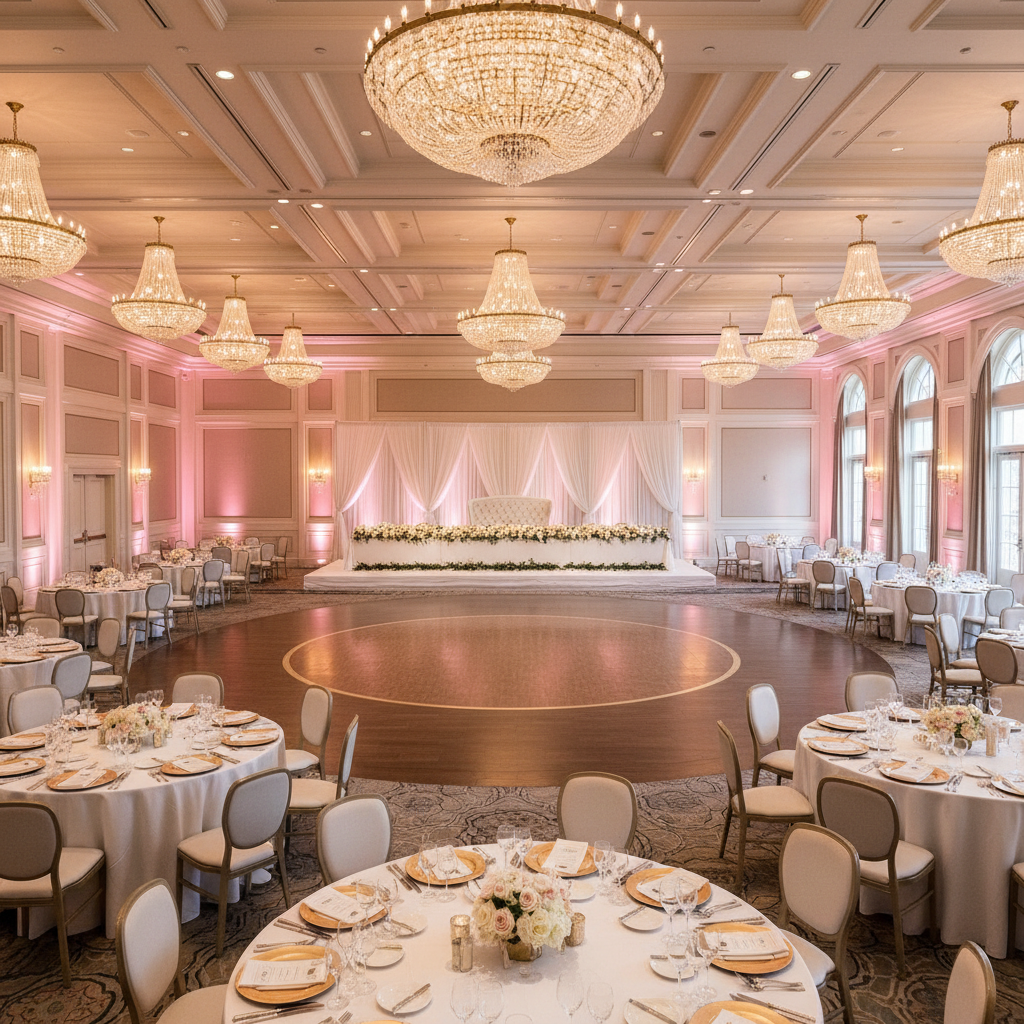
Plan Your GTA Wedding: All Inclusive Wedding Venue Toronto
You want a wedding day that feels effortless, personal, and unforgettable. If you’re searching for an all inclusive wedding venue Toronto couples rely on, this complete guide shows you how to plan with confidence—using real insights from Viceroy Banquet Hall in Woodbridge, serving the Greater Toronto Area (GTA).
- Learn what “all-inclusive” really covers—and what it doesn’t.
- Map your planning steps from vision to last dance with practical timelines.
- Compare venue approaches in a quick, scannable table.
- Build culturally aware menus across Italian, Continental, Indian, Pakistani, Afghan, Sri Lankan, and Somali cuisines.
- Use checklists, templates, and best practices to keep the day on track.
Quick Answer
For couples seeking an all inclusive wedding venue Toronto wide, Viceroy Banquet Hall in Woodbridge (at Woodbridge) offers modern, flexible spaces for 70–800 guests, multi-cuisine catering, and integrated AV—so you can plan once and celebrate fully across the GTA.
Summary
- Who this is for: GTA couples who want an elegant, modern, all-in-one venue with flexible capacity.
- What you’ll get: A practical, step-by-step playbook, comparison table, cultural menu ideas, and planning templates.
- Why Viceroy: Contemporary design, advanced tech, versatile floor plans (70–800 guests), and multi-cuisine options in one place.
- Bottom line: Choose a venue that simplifies logistics, honors your traditions, and elevates the experience start to finish.
Table of Contents
- What Is an All-Inclusive Wedding Venue?
- Why All-Inclusive Matters in the GTA
- How All-Inclusive Venues Work (Step-by-Step)
- All Inclusive Wedding Venue Toronto: What to Look For
- Types of Wedding Venue Approaches
- Best Practices (Vendor, Menu, Floor Plan)
- Tools, Templates, and Resources
- Pricing: What Affects Investment (No Numbers)
- Case Studies and Real-World Examples
- FAQ
- Related Articles (Topics)
- Conclusion
What Is an All-Inclusive Wedding Venue?
All-inclusive means the venue bundles multiple services under one roof. That consolidation saves time, reduces coordination stress, and creates a more cohesive guest experience.
- Typical inclusions:
- Event spaces: ceremony, cocktail hour, and reception rooms in one location.
- Catering: curated menus with authentic multi-cuisine options.
- Service staff: servers, bartenders, supervisors, and coat check.
- Rentals: tables, chairs, linens, flatware, and glassware.
- AV and lighting: microphones, screens, uplighting, and dance floor lighting.
- On-site coordination: timeline support, floor plan guidance, and vendor logistics.
- Back-of-house: setup, breakdown, and post-event cleaning.
- Often optional add-ons:
- Decor accents, specialty lighting, staging, and custom backdrops.
- Late-night stations, dessert tables, and specialty mocktails.
- Cultural ceremony setups (mandap, sofreh aghd, poruwa platform, Nikah seating).
- Extra AV: live streaming, multiple projectors, live-band setups, and recorded speeches.
- What “all-inclusive” is not:
- It’s not a one-size-fits-all package; reputable venues customize to your priorities.
- It’s not limited to one cuisine or style; Viceroy supports multi-cuisine menus.
- It’s not a replacement for personal touches; it frees time so you can add them.
Why All-Inclusive Matters in the GTA
The GTA is diverse, busy, and spread out. A venue that pulls everything together can be the difference between a smooth celebration and a logistical headache.
- Traffic and timing: Consolidation cuts travel between ceremony and reception, avoiding delays on Highway 7 or 27.
- Diversity of tastes: Multi-cuisine catering means family and guests feel at home—no matter their background.
- Weather swings: Indoor ceremony options protect your day from sudden rain or heat spikes.
- Guest count reality: Capacity flexibility (70–800) means the same venue can handle intimate or grand celebrations.
- Tech-forward expectations: Modern AV supports speeches, cultural performances, and live streaming to relatives abroad.
Viceroy Banquet Hall blends contemporary design with advanced technology and versatile floor plans—ideal for GTA weddings where timing, diversity, and comfort matter.
How All-Inclusive Venues Work (Step-by-Step)
Here’s a practical, GTA-ready sequence. Adapt steps based on your date, culture, and guest count.
1) Define Your Vision and Must-Haves
- Experience style: classic, modern, luxe, minimalist, vibrant, or cultural blend.
- Cultural components: baraat route, Nikah setup, Anand Karaj timing, poruwa ceremony, zaffa entrance, or tea ceremony.
- Moments to highlight: first look, family performances, late-night food station reveal.
- Non-negotiables: preferred date, indoor ceremony backup, dance floor size, prayer space, quiet room for kids.
2) Size and Flow (70–800 Guests)
- Capacity fit: Viceroy’s flexible floor plans scale for 70–800 guests without losing intimacy.
- Room flow: ceremony → cocktails → dinner → program → dance. Keep transitions short and intuitive.
- Stage and sightlines: ensure everyone sees key moments; consider raised stages for performances.
- Photo ops: schedule portraits nearby (e.g., Boyd Conservation Area), then shift to the venue for an efficient evening.
3) Menu Strategy (Multi-Cuisine, Dietary, and Fusion)
- Celebrate heritage: Italian antipasti, North Indian curries, Pakistani kebabs, Afghan mantu, Sri Lankan hoppers, and Somali suqaar.
- Fusion ideas: tandoori chicken penne, peri-peri prawn risotto, Afghan-spiced lamb on polenta, or masala arancini.
- Dietary planning: vegetarian, vegan, halal, and gluten-aware options clearly communicated in the banquet event order (BEO).
- Late-night hits: poutine bar, mini samosa chaat, Nutella cannoli, falooda floats, and sliders with regional spice profiles.

4) Design and Lighting
- Palette: blush and gold, emerald and ivory, or monochrome black and white for modern elegance.
- Lighting layers: ambient uplighting, spotlighted head table, and warm pinspots on centerpieces.
- Dance floor energy: choreograph light cues for entrances, first dance, and open floor sets.
- Decor logistics: confirm load-in timing, fire-safe candles, and stage footprint with the venue team.
5) AV and Program
- Audio basics: wireless mics for speeches, backup handheld, and clear speaker placement.
- Visuals: slideshow screens for story moments; live-feed camera for large rooms to keep everyone engaged.
- Streaming: include relatives abroad with stable uplink and planned camera positions for key moments.
- Playback prep: provide final files to your DJ/AV team 48 hours in advance to avoid codec issues.
6) Vendor Coordination (One Team, One Plan)
- Consolidate: let the venue coordinate rentals, linens, and staff while you focus on creative choices.
- Specialty vendors: photographer, DJ/band, officiant, decor stylist—share the venue’s floor plan and timeline.
- Load-in/out: align vendor arrivals with venue dock access and setup windows; provide a contact sheet.
- Internal alignment: review your plan on the wedding services page to confirm ceremony and reception needs are covered.
7) On-the-Day Logistics
- Rehearsal: walk ceremony cues; test processional timing and mic checks.
- Staging kit: emergency fixes (pins, tape, stain remover), plus printed seating chart and timeline.
- Point people: designate a family liaison and a vendor liaison to keep questions away from the couple.
- Final sweep: do a quick pre-doors walk-through to verify place settings, lighting cues, and AV levels.
All Inclusive Wedding Venue Toronto: What to Look For
Use this checklist to evaluate any all-in-one wedding venue in the GTA. It keeps expectations aligned and surprises to a minimum.
- Capacity and layout: can the floor plan scale from 70 to 800 guests with proper dance floor and stage?
- Cuisine range: authentic options across Italian, Continental, Indian, Pakistani, Afghan, Sri Lankan, and Somali.
- Dietary alignment: clear process for halal, vegetarian, vegan, and gluten-aware plates.
- AV readiness: mics, screens, lighting, and live-feed options built in.
- Indoor ceremony: weather-safe plan with elegant staging and guest seating.
- Flow control: separate zones for ceremony, cocktails, reception, and photo ops.
- Vendor docking: parking and load-in that doesn’t interrupt guest experience.
- On-site coordination: a named contact managing timeline, cues, and vendor communications.
- Culture-first details: support for mandap, poruwa, sofreh aghd, Nikah seating, or zaffa entrances.
- Location: access from major routes and transit; proximity to hotels and airports.
Preview how these elements come together when you explore our venues and review sample floor plans with the team.
Types of Wedding Venue Approaches
Not every couple wants the same level of support. Here’s how common approaches differ.
- All-inclusive venue (like Viceroy):
- Pros: streamlined planning, consistent service team, unified design, integrated AV, menu flexibility, weather backup.
- Consider: clarify what’s included vs. optional; confirm cultural setup options and rehearsals.
- Semi-inclusive venue:
- Pros: core items bundled (space, rentals, some AV) with freedom to choose outside caterers or specialty decor.
- Consider: more vendor management, delivery coordination, and setup oversight.
- Venue-only (DIY):
- Pros: maximum creative control; build a unique vendor team.
- Consider: high coordination load; risk of mismatched service standards across vendors.
Comparison at a Glance
| Approach | Convenience | Menu Flexibility | Capacity Fit | AV/Tech | Weather Backup |
|---|---|---|---|---|---|
| All-inclusive | Highest | High (multi-cuisine) | 70–800 (Viceroy) | Integrated | Yes (indoor) |
| Semi-inclusive | Medium | Medium–High | Varies | Partial | Often |
| Venue-only | Low | Highest | Varies | External | Maybe |
Local Tips
- Tip 1: For Woodbridge arrivals, build buffer time around Highway 7 and Highway 27, especially on Fridays. Coordinate staged arrivals for the wedding party and VIPs.
- Tip 2: Spring and fall bring gorgeous light but quick weather shifts. Keep an indoor ceremony setup on standby so your timeline stays intact.
- Tip 3: If family is flying into Pearson, schedule photos near Boyd Conservation Area earlier in the day to beat park crowds, then move to the venue for a seamless evening flow.
IMPORTANT: These tips align with Viceroy’s focus on modern amenities and coordinated logistics for GTA weddings.
Best Practices (Vendor, Menu, Floor Plan)
These patterns keep stress low and guest satisfaction high.
- Lock the ceremony backup: Even if you plan outdoors, reserve an elegant indoor option and communicate it to all vendors.
- Feed the program: Time salad service during welcomes; move mains before performances; open dance floor as dessert stations launch.
- Build hybrid menus: Feature two cultural fan-favorites per course so every guest finds a familiar dish.
- Seat strategically: Elders near exits and restrooms; kids near the dance floor to enjoy early energy.
- Stage management: Use a simple cue sheet with who/what/when for DJ, MC, lighting, and service team.
- Sound checks twice: Test wireless mics at aisle length and at the head table to avoid feedback.
- Vendor tech run: Share the venue’s AV specs and do a 10-minute run-through on arrival.
- Photo moments: Allocate 15-minute windows for first look, family formals, and a private last dance.
- Accessibility: Confirm ramp access, elevator routes, and quiet room space for kids or sensory breaks.
- Final confirmations: Freeze guest count by the venue’s deadline; finalize dietary flags on the seating chart.
See how these elements come together in practice on our all amenities in one place resource.
Tools, Templates, and Resources
Steal these planning aids and adapt them to your day.
Planning Checklist (Milestones)
- 12–18 months: secure venue and date; confirm ceremony location or indoor backup.
- 9–12 months: book photographer, DJ/band, decor; begin menu tasting.
- 6–9 months: design invites; lock floor plan zones; confirm AV needs.
- 3–6 months: finalize menu; schedule rehearsal; plan transportation.
- 1–3 months: finalize seating, timeline, and vendor cue sheet.
- 1 week: confirm final guest count and dietary notes; deliver decor to venue.
Seating Chart Framework
- Cluster by relationship (immediate family, extended, friends, colleagues).
- Flag dietary restrictions directly on the master list for service staff.
- Balance energy: rotate quieter and livelier tables near the dance floor.
- Place VIPs where sightlines are clear and audio is strongest for speeches.
Timeline Template (5:30 PM Ceremony Start)
- 4:45 PM: guest arrival, background music begins.
- 5:30 PM: ceremony begins (20–30 minutes).
- 6:15 PM: cocktail hour; couple portraits and family photos.
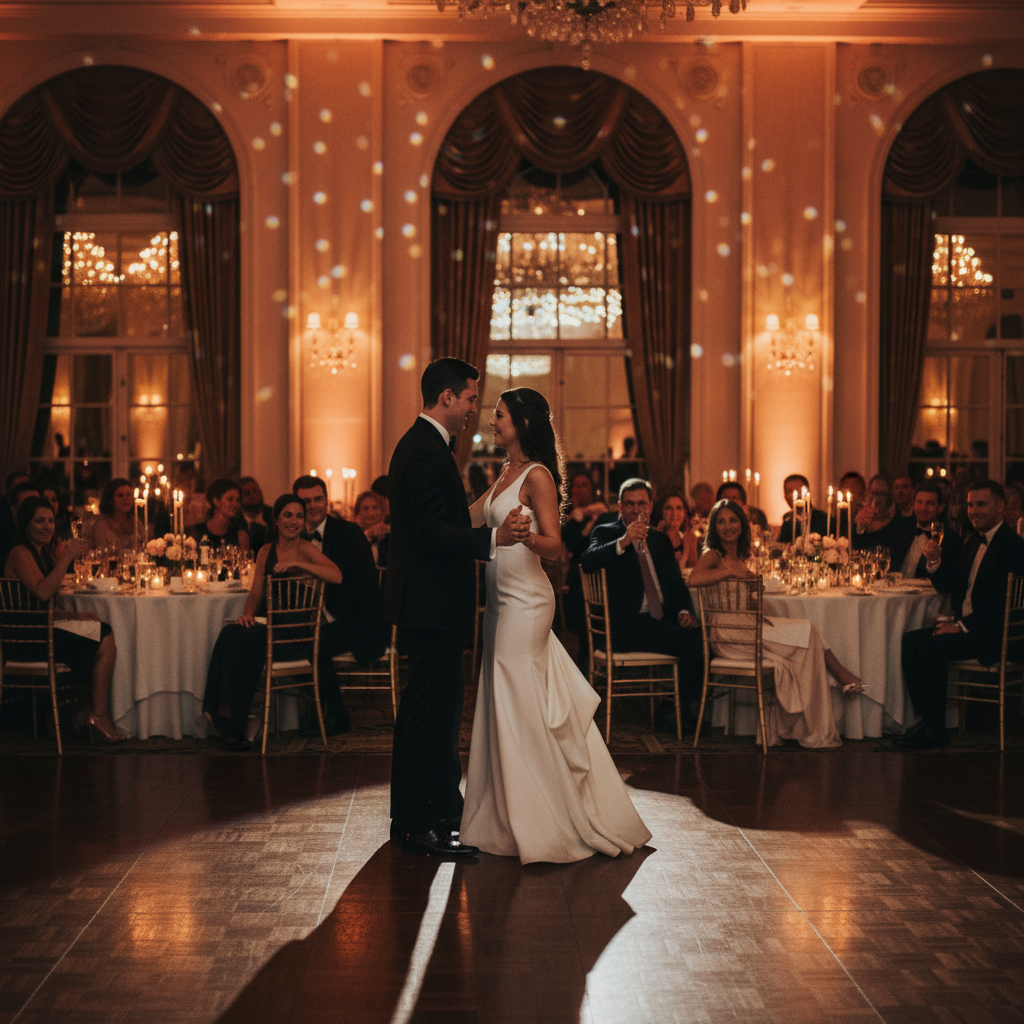
- 7:15 PM: doors open; grand entrance; first dance.
- 7:30 PM: salad + welcomes; 7:50 PM: speeches 1–2.
- 8:10 PM: main course; 8:40 PM: cultural performance or slideshow.
- 9:00 PM: cake cut; dessert stations open; dance floor opens.
- 10:45 PM: late-night station; final set.
- 11:45 PM: private last dance (optional); farewell.
Pricing: What Affects Investment (No Numbers)
Every wedding is unique. Instead of dollar figures, use these drivers to understand how proposals vary—then choose value, not just line-item totals.
- Guest count: the single biggest variable; affects food, staff, rentals, and space configuration.
- Menu complexity: multi-cuisine, plated vs. buffet, late-night stations, and specialty desserts.
- Service level: coursed dinners, synchronized service, cocktail staffing ratios, and sommelier or mocktail specialists.
- AV and lighting: integrated tech, extra screens, live band support, and streaming.
- Decor and staging: custom backdrops, stage size, specialty linens, and floral density.
- Day and season: peak dates book quickly; shoulder seasons offer more flexibility.
- Timeline: extended hours, rehearsal access, and vendor load-in windows.
Focus on outcomes: food quality, guest comfort, program pacing, and the wow factor of your space and lighting. Those translate directly into memories.
Case Studies and Real-World Examples
These high-level scenarios reflect patterns from modern, tech-forward GTA venues like Viceroy. Details are generalized, but the logistics are real.
1) Italian–South Asian Fusion Reception (380 Guests)
- Why all-inclusive worked: venue coordinated staging for a zaffa entrance, then flipped the room for a 10-piece band.
- Menu: Italian antipasti and pastas + halal mains (butter chicken, seekh kebab), with gelato + gulab jamun duo for dessert.
- Program: parent speeches during salad; cultural dance during dessert; DJ transitions synced with lighting cues.
- Outcome: smooth pacing, high energy on the dance floor, elders comfortable with clear sightlines and sound.
2) Afghan Nikah + Reception (250 Guests)
- Why all-inclusive worked: unified team managed Nikah seating, stage decor, and live-stream feed to relatives abroad.
- Menu: mantu, kebabs, qabili pulao, plus vegetarian sabzi options; late-night tea and sweets station.
- Flow: indoor ceremony → photos → plated dinner → live band set → dance floor.
- Outcome: honored traditions while keeping timing efficient for speeches and toasts.
3) Sri Lankan Poruwa Ceremony + Dinner (220 Guests)
- Why all-inclusive worked: venue provided staging and safe candle options; AV supported traditional drumming intros.
- Menu: hoppers with curries, seafood mains, and fruit desserts; mocktail welcome station.
- Guest experience: clear sightlines to the poruwa; elders seated near exits and restrooms.
- Outcome: intimate, reverent ceremony leading into a joyful, well-paced reception.
4) Classic Contemporary GTA Reception (600 Guests)
- Why all-inclusive worked: capacity for 600 with efficient staff-to-guest ratio; live camera feed to screens kept speeches engaging.
- Menu: continental starters + Indian mains; late-night poutine and mini tiramisu cups.
- Design: monochrome palette, pinspotted centerpieces, dynamic dance floor lighting.
- Outcome: grand scale without losing hospitality or pacing.
FAQ
- How do I choose between plated, buffet, or family-style service?
-
- Plated: elegant pacing and portion control; great for speeches and formal programs.
- Buffet: variety and movement; ideal for mixed dietary preferences.
- Family-style: communal feel and abundant display; confirm table sizes for serving platters.
- Can an all-inclusive venue support cultural ceremonies?
-
- Yes—ask about staging for mandap, poruwa, sofreh aghd, or Nikah seating.
- Share your rituals early so AV and floor plans reflect processional paths and focal points.
- What should I confirm during a site visit?
-
- Room capacity in your preferred setup (with dance floor and stage).
- Lighting demos, sound checks, projector sightlines, and backup power plans.
- Bridal suite access, load-in docks, parking, and accessibility routes.
- How early should we lock our date?
-
- Peak-season Saturdays go first; secure your venue as soon as you have a target month.
- If you’re flexible on day of week, you’ll unlock more availability.
- Do all-inclusive packages limit menu creativity?
-
- Not at modern venues. The right culinary team can build hybrid menus and accommodate halal, vegetarian, vegan, and gluten-aware needs.
- Schedule a tasting to tailor spice profiles and presentation to your preferences.
Related Articles (Topics)
- How to plan a seamless ceremony-to-reception transition in one venue
- Multi-cuisine tasting tips for families with diverse palates
- AV and lighting cues that elevate your grand entrance
- Seating strategies that improve comfort and conversation
Conclusion
- Choose simplicity: an all-inclusive venue keeps planning focused and cohesive.
- Honor your story: multi-cuisine options and cultural staging welcome every guest.
- Think flow: great lighting, AV, and floor plans create effortless transitions and energy.
- Right-size it: from 70 to 800 guests, you can scale without sacrificing style.
When you’re ready, tour a modern, tech-forward space in Woodbridge and bring your families to taste, test, and visualize the day together. Your celebration should feel like you—and run on rails behind the scenes. For GTA couples comparing options, it can help to see how other venues present weddings; for instance, browse a regional peer’s wedding showcase at this GTA weddings page for inspiration, then circle back to align your must-haves with Viceroy’s all-in-one approach.
Key Takeaways
- All-inclusive streamlines planning, aligns vendors, and elevates guest comfort.
- Viceroy’s 70–800 guest capacity, multi-cuisine catering, and integrated AV fit GTA realities.
- Checklist-driven planning prevents surprises and protects your timeline.
- Cultural staging and hybrid menus help every guest feel seen and welcomed.
