
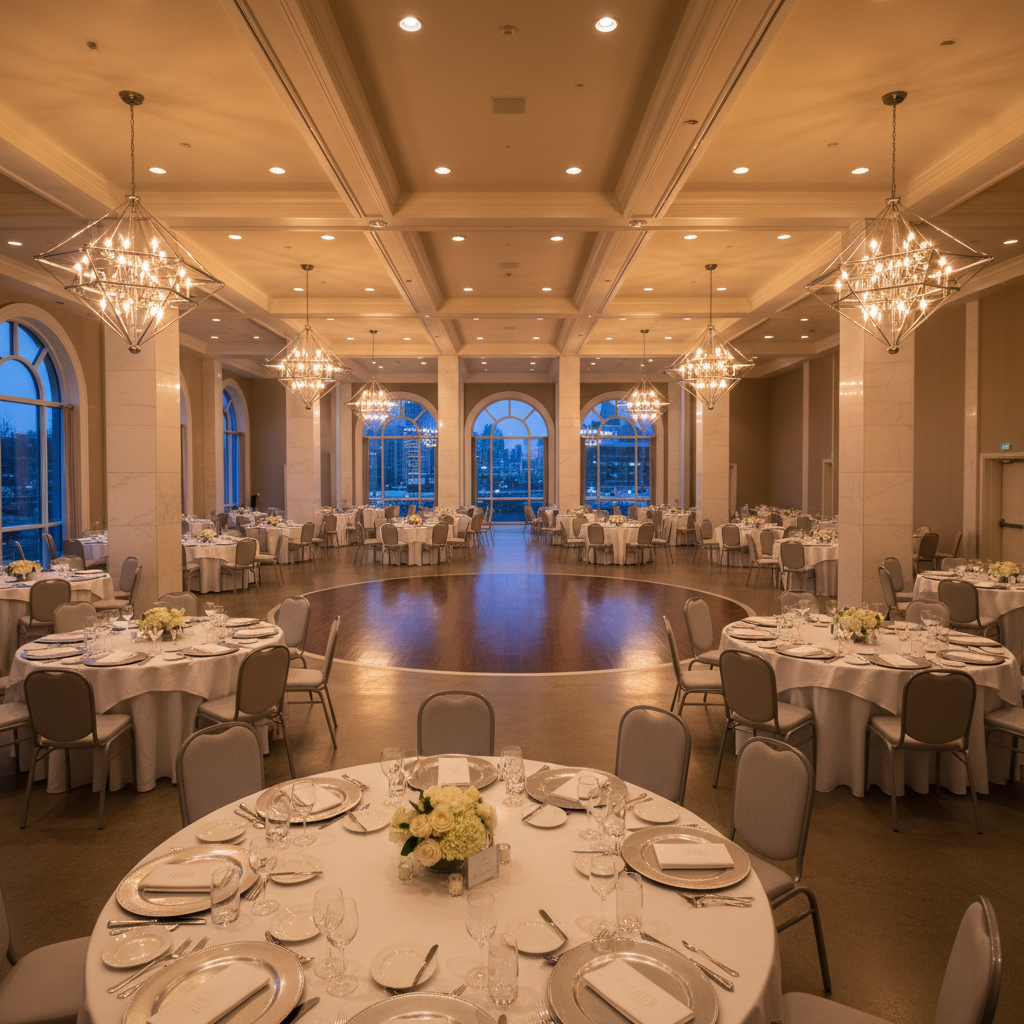
Full Service Banquet Hall Toronto: Find Your Perfect Venue
Overview
Searching for a full service banquet hall Toronto couples and planners can trust? You’re in the right place. This complete guide unpacks exactly what “full service” includes, how to compare options around the Toronto area, and where a modern, all-inclusive venue like Viceroy Banquet Hall in Woodbridge fits—especially for weddings, social milestones, and corporate functions.
- Understand what full-service venues actually deliver—from staffing and production to day-of coordination.
- Follow a simple step-by-step venue selection process that reduces stress and guesswork.
- See how a technology-forward space elevates ceremonies, receptions, and corporate programs.
- Use checklists, timelines, and questions to ask on every tour—so you don’t miss details.
- Get local insights for Woodbridge and Toronto logistics to keep your event running on time.
Quick Answer
A full service banquet hall in Toronto provides an end-to-end experience—space, staffing, production, and coordination—so you can focus on your celebration. Based in Woodbridge at Woodbridge, Viceroy Banquet Hall combines modern technology and all-inclusive amenities with flexible rooms for weddings, social events, and corporate functions.
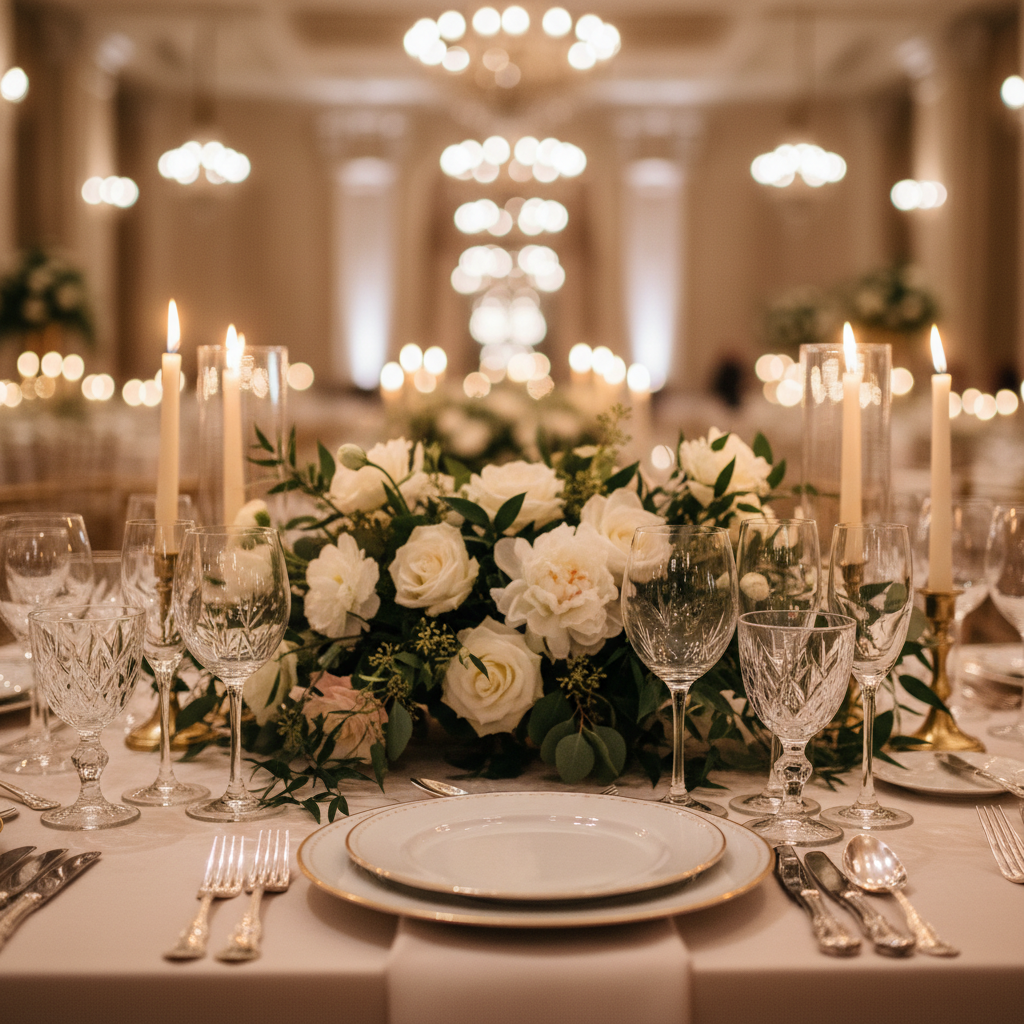
What Is a Full-Service Banquet Hall?
“Full-service” means the venue coordinates the major moving parts under one roof. You get an experienced team for planning, production, and guest experience without juggling disconnected vendors.
- Purpose-built spaces: Ballrooms, pre-function areas, and flexible floor plans for ceremonies, cocktails, receptions, and corporate programs.
- Event production: In-house or coordinated audiovisual, lighting, staging, and presentation support designed for polished moments.
- Professional staffing: Event managers, captains, and service teams who execute the timeline and adapt in real time.
- Guest experience: Comfortable seating, coat check, accessible restrooms, and wayfinding for smooth arrivals and transitions.
- Logistics and flow: Parking coordination, vendor load-in/out guidance, and detailed run-of-show management.
- All-inclusive mindset: One accountable partner for most essentials—reducing handoffs and late surprises.
At Viceroy Banquet Hall in Woodbridge, “full-service” aligns with a modern, technology-forward venue that supports weddings, social events, and corporate functions with all-inclusive amenities. The space accommodates intimate gatherings and large-scale productions for roughly 70 to 800 guests.
Why Full Service Matters in Toronto
Big-city logistics, traffic, and peak-season schedules amplify event complexity. A full-service team simplifies everything.
- Fewer moving parts: One venue team manages AV, staffing, and timeline execution from ceremony to last dance.
- Consistency: Cohesive service standards and coordinated transitions improve the guest experience.
- Risk management: Built-in contingency planning for delays, weather shifts, or program changes.
- Time savings: Faster decisions with a team that has produced hundreds of events.
- Local know-how: Familiarity with Toronto-area traffic, permits, and neighborhood nuances.
- Technology advantage: Modern lighting and sound elevate every moment—especially toasts, first dances, and awards.
Because Viceroy is one of Toronto’s most modern and technologically advanced banquet venues, couples and planners get the polish of a professional production without coordinating separate suppliers.
How to Choose a Full Service Banquet Hall in Toronto
Use this practical checklist to evaluate venues quickly and confidently.
- Capacity and layout: Confirm your guest range and dance floor needs; ask to see multiple floor plans.
- Production capability: Request a demo of lighting scenes, audio coverage, and screen placement.
- Ceremony logistics: If you’re on-site, review room flips, aisle setups, and processional timing.
- Timeline control: Ask how the team manages cues for entrances, toasts, and entertainment.
- Staffing approach: Discuss service team leadership, communication, and escalation paths.
- Accessibility: Confirm ramps/elevators, accessible restrooms, and clear signage.
- Parking and arrivals: Validate directions, signage, valet or self-park, and coat-check flow.
- Vendor coordination: Clarify load-in/out windows and how your vendors interface with the venue team.
- Cultural traditions: Share rituals and program structure so lighting and audio can be designed appropriately.
- On-site walk: Trace the guest path—from arrival to ceremony, cocktails, reception, and exit—looking for bottlenecks.
Planning a wedding or social celebration? Review the wedding venue details and explore how the space supports walkthroughs, on-site ceremonies, and reception flow. For site lines and room choices, browse our different rooms to match your headcount and program design.
How the Process Works
Here’s a simple, end-to-end plan you can follow with a qualified venue team.
- Discovery: Share your vision, guest count, cultural traditions, and run-of-show.
- Tour and layout: Walk rooms, preview lighting/AV, and discuss floor plans and flow.
- Date selection: Align on dates and discuss seasonality and lead times for holds.
- Experience design: Map ceremony flow, receiving lines, speeches, and entertainment cues.
- Production plan: Finalize lighting scenes, screen placements, audio coverage, and stage management.
- Vendor coordination: Confirm photography, entertainment, officiant, décor, and specialty needs.
- Timeline lock: Build a minute-by-minute schedule from load-in to grand exit.
- Run-through: Conduct a final walkthrough and AV check with your venue lead.
- Showtime: Operations executes, supervises, and adapts in real time.
- Wrap: Load-out, lost-and-found, and post-event debrief for lessons learned.
With Viceroy’s all-inclusive approach, couples, families, and corporate planners can lean on experienced teams that know how to stage events for 70 to 800 guests with confidence.
Types of Venues and Approaches
Not every event needs the same setup. Compare these options before you decide.
Independent Full-Service Banquet Halls
- Best for: Weddings, milestone socials, corporate galas, awards nights.
- Strengths: Purpose-built production, flexible rooms, coordinated services.
- Consider if you want: One team to handle planning and day-of logistics.
Hotel Ballrooms
- Best for: Multi-day conferences and out-of-town guest blocks.
- Strengths: On-site lodging and breakout rooms.
- Trade-offs: More formal policies, less customization, fixed layouts.
Restaurants and Private Dining Rooms
- Best for: Intimate celebrations, rehearsal dinners, showers.
- Strengths: Cozy ambiance, culinary-first experience.
- Trade-offs: Limited staging, AV, and dance floor capacity.
Unique Spaces (Museums, Lofts, Studios)
- Best for: Creative aesthetics and brand-forward experiences.
- Strengths: Memorable backdrops and neighborhood character.
- Trade-offs: More vendor management and logistics complexity.
Pricing Factors (Without Numbers)
We won’t talk dollars here, but these variables influence overall investment at any full-service venue.
- Guest count: Affects room selection, staffing levels, and rentals.
- Day, date, and season: Peak seasons and popular days book earlier; align lead times accordingly.
- Program length: Longer timelines require more staff and production support.
- Production: Lighting scenes, screens, staging, and specialized AV increase complexity.
- Experience design: Room flips, grand entrances, and cultural ceremonies add coordination.
- Decor and rentals: Centerpieces, linens, specialty furniture, and installations.
- Culinary service style: Plated service vs stations/buffets (coordination levels differ).
- Vendor scope: Photography, entertainment, officiants, and any specialty acts.
Tip: Prioritize the moments that matter most—ceremony acoustics, toasts clarity, and first-dance lighting—then scale the rest around those anchors.
Best Practices from Toronto Planners
Make planning easier with habits from teams who run events every week.
- Start with capacity and flow: Match rooms to your guest count and dance floor needs.
- Ask to see the tech: Request a quick demo of lighting and AV during your tour.
- Design a clean run-of-show: Limit program segments and keep transitions tight.
- Build a vendor contact sheet: Share phone numbers and arrival times with the venue.
- Rehearse key moments: Line up entrances, mic handoffs, and cue-to-cue for speeches.
- Plan for weather: If any portion is outdoors, have sheltered arrivals and photo plans.
- Think accessibility: Prioritize clear signage, ramps/elevators, and accessible restrooms.
- Confirm parking logistics: Provide directions and arrival guidance on invitations.
- Create a family team: Assign one point person per family for day-of decisions.
- Leave room to breathe: Build short buffers between ceremony, cocktails, and reception.
Soft CTA: Want to see how a modern, all-inclusive space handles ceremonies and receptions back-to-back? Explore our rooms and layouts, then check the wedding venue overview for planning ideas.
Tools, Checklists, and Resources
Use these planning aids to keep your project organized.
Wedding and Social Event Checklist
- Guest list draft, holds on date, and early venue tours.
- Run-of-show outline for ceremony, photos, speeches, and dances.
- Vendor roster with contact info, insurance, and arrival times.
- Production cues: music playback, mic checks, lighting looks.
- Accessibility and signage plan for clear wayfinding.
- Parking and arrival instructions for guests and VIPs.
- Contingency plan for weather and timing shifts.
Corporate Event Checklist
- Agenda with session blocks, breaks, and transitions.
- Presenter needs: podium, confidence monitor, and clickers.
- Branding moments: step-and-repeat, lighting palette, stage backdrop.
- Sponsor activations and wayfinding.
- AV run-through for video playback and panel mics.
- Guest communications: arrival, registration, and parking guidance.
Lighting, Sound, and AV Essentials
Great production turns a good event into a memorable one. Ask these questions and watch the room transform.
- Sound coverage: Are speeches crystal clear at the back of the room?
- Lighting looks: Can the venue create distinct scenes for ceremony, dinner, and dancing?
- Projection/screens: Where will slideshows, videos, or brand content appear?
- Stage management: Who calls cues for entrances, transitions, and mic changes?
- Rehearsal time: Will you get a cue-to-cue run for peace of mind?
- Power and safety: Are cable runs and power drops planned to avoid trip hazards?
- Recording/streaming: If needed, how is audio captured and shared?
Viceroy’s technology-forward approach makes it easier to deliver cinematic moments—first dances with dramatic lighting, toasts with clean audio, and awards sequences that feel broadcast-ready.
Event Catering Services and Service Styles
Food experience sets the tone for the entire evening. Coordinate early so service complements the program, not the other way around.
- Service style: Plated courses feel formal; stations and buffets encourage mingling.
- Timing with program: Schedule speeches between courses or during transitions.
- Dietary accommodations: Gather restrictions early and share organized notes with your venue lead.
- Kids and VIPs: Plan simplified plates and timed service for comfort.
- Cultural menus: Align courses with traditions and ceremonial timing.
For multi-part cultural programs, a clear run-of-show helps catering and production teams stay in sync. For an outside perspective on ceremony structure, see this overview of traditional wedding ceremonies in the region.
Accessibility, Comfort, and Guest Flow
When guests feel comfortable, everything else shines. Design the path with intention.
- Wayfinding: Clear signage from parking to registration, ceremony, and reception.
- Mobility: Ramps/elevators, seating considerations, and nearby restrooms.
- Comfort: Temperature control, coat check, and space to breathe during transitions.
- Photo ops: Identify backdrops and ensure lighting is flattering for group photos.
- Quiet zones: Create a small lounge or foyer corner for short breaks.
Hosting a social milestone? Browse social event planning ideas and see how guest flow, lighting, and music can be sequenced for maximum energy.
Comparison Table: Venue Options
| Venue Type | Strengths | Considerations | Best For |
|---|---|---|---|
| Full-Service Banquet Hall | Purpose-built production, coordinated team, flexible rooms | Book early for popular dates; define priorities up front | Weddings, galas, milestone socials |
| Hotel Ballroom | On-site lodging, breakout rooms | Policy-heavy; less customization | Conferences, multi-day programs |
| Restaurant/Private Dining | Intimate ambiance, culinary-first | Limited staging and dance space | Showers, rehearsal dinners |
| Unique/Non-Traditional | Distinct aesthetics, memorable backdrops | More vendor coordination required | Creative weddings, brand events |
Case Studies and Real-World Examples
These snapshots illustrate how a full-service approach solves real challenges across weddings, socials, and corporate programs.
- Wedding, 220 guests: Ceremony flip in the same ballroom with a timed lighting change and coordinated aisle reset—guests moved to foyer for cocktails while the room transformed.
- South Asian celebration: Multi-part program coordinated with staging, mic handoffs, and lighting cues to highlight entrances and dances.
- Corporate awards night: Step-and-repeat in the pre-function area, stage wash for presenters, confidence monitor for scripts, and clean transitions to dinner and entertainment.
- Milestone birthday: Grand entrance, slideshows, and a DJ-led dance floor supported by clear audio and dynamic lighting looks.
- Engagement party: Cocktail-forward flow with spotlighted toasts and a short program to keep energy high.
- Charity gala: Sponsor activations, silent auction tables, and a concise program that left ample time for networking and live music.
- Brand launch: Scenic reveal, projection mapping on a backdrop, and choreographed light cues for product moments.
- Holiday banquet: Seasonal lighting palette and coordinated service blocks to keep speeches tight and dinner hot.
- Conference dinner: Seating map that prioritized team proximity, followed by a quick stage re-set for awards.
- Family reunion: Photo stations, memory wall in the foyer, and a dance set timed for multi-generational participation.
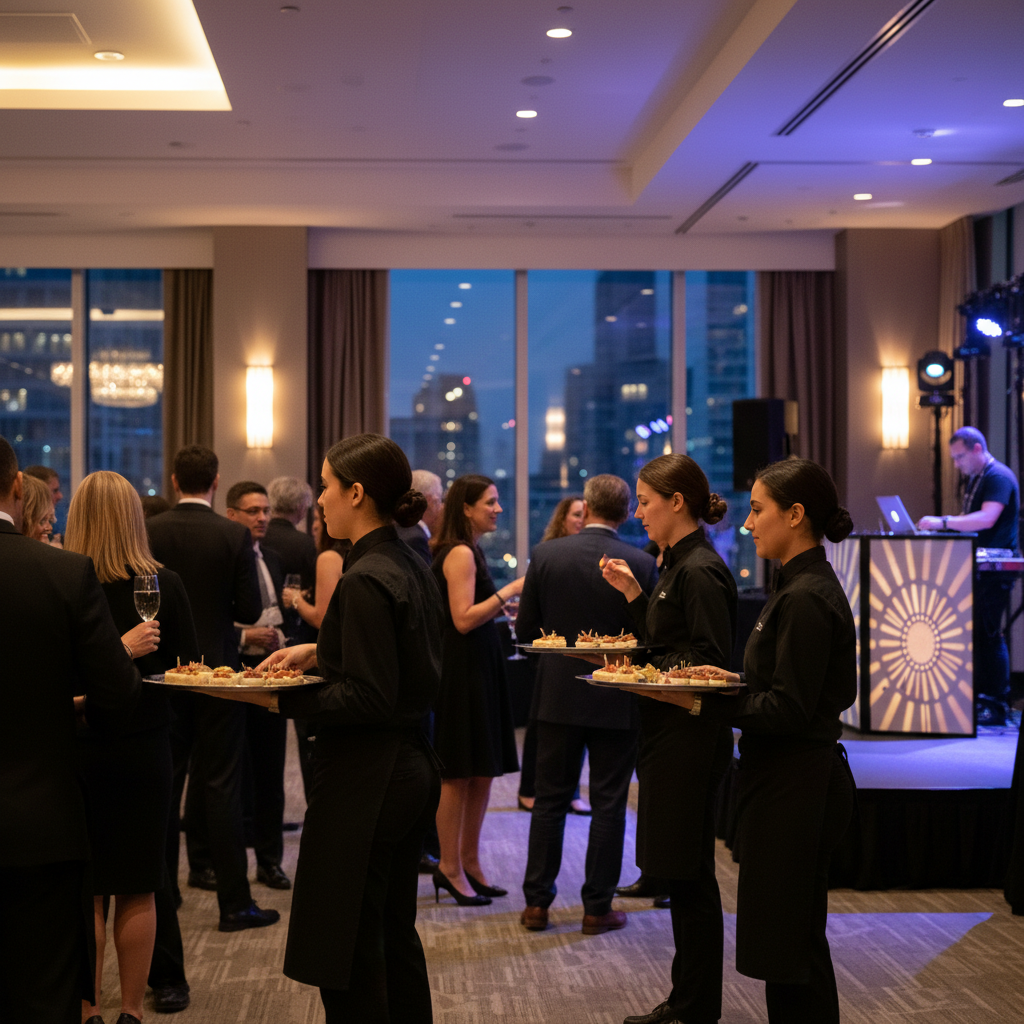
Hosting a corporate program? Explore corporate event solutions to see how staging, screens, and run-of-show can support presenters and sponsors.
Local Tips
- Traffic timing: If you’re hosting at Woodbridge, plan guest arrivals to avoid Highway 7 and 427 congestion—share best routes and parking cues on invitations.
- Seasonal buffers: Winter events benefit from extra coat-check space and a few added minutes in the timeline for safe arrivals.
- Vendor coordination: Share your venue’s load-in instructions early; Toronto-area vendors often stack multiple events on peak weekends.
IMPORTANT: Tailor these to your program and guest mix. Ask your venue team for block-by-block arrival guidance.
FAQ
How far in advance should we book a full-service banquet hall?
For peak season Saturdays, start touring and placing holds as early as possible. Midweek and shoulder-season dates offer more flexibility. Lock your date once you’ve confirmed the room fit, production needs, and run-of-show.
What should I look for during a venue tour?
Ask to see lighting and AV in action, review multiple floor plans, and discuss staff-to-guest ratios. Walk the guest path—from arrival to ceremony, cocktails, and reception—and confirm accessibility and parking.
How do full-service venues simplify planning?
You’ll work with a single expert team that coordinates layout, production, staffing, and timeline execution. That reduces vendor handoffs and helps avoid surprises on event day.
Can full-service venues handle cultural or multi-part programs?
Yes. Share your traditions and event flow early. A seasoned venue team can design lighting looks, mic cues, and room flips that respect timing and highlight key moments.
What if our guest count changes?
Talk to your venue about thresholds and room options. Many full-service halls offer flexible layouts that can expand or contract while keeping the dance floor and stage properly sized.
Key Takeaways
- Full-service means one coordinated team runs production, staffing, and logistics.
- Prioritize capacity, technology, and guest flow during tours.
- Build a tight run-of-show with buffers for real life.
- Use checklists for vendor contacts, AV cues, and accessibility.
- In the Toronto area, local traffic and seasonality affect the timeline—plan accordingly.
Plan Your Event
Viceroy Banquet Hall in Woodbridge is Ontario’s premier luxury banquet hall and wedding venue, designed to deliver once-in-a-lifetime celebrations with all-inclusive amenities and modern production. If you’re planning a wedding, social milestone, or corporate function, schedule a tour and start designing your experience. For social milestones, browse our social event options and see how the team supports showers, birthdays, and more.
