
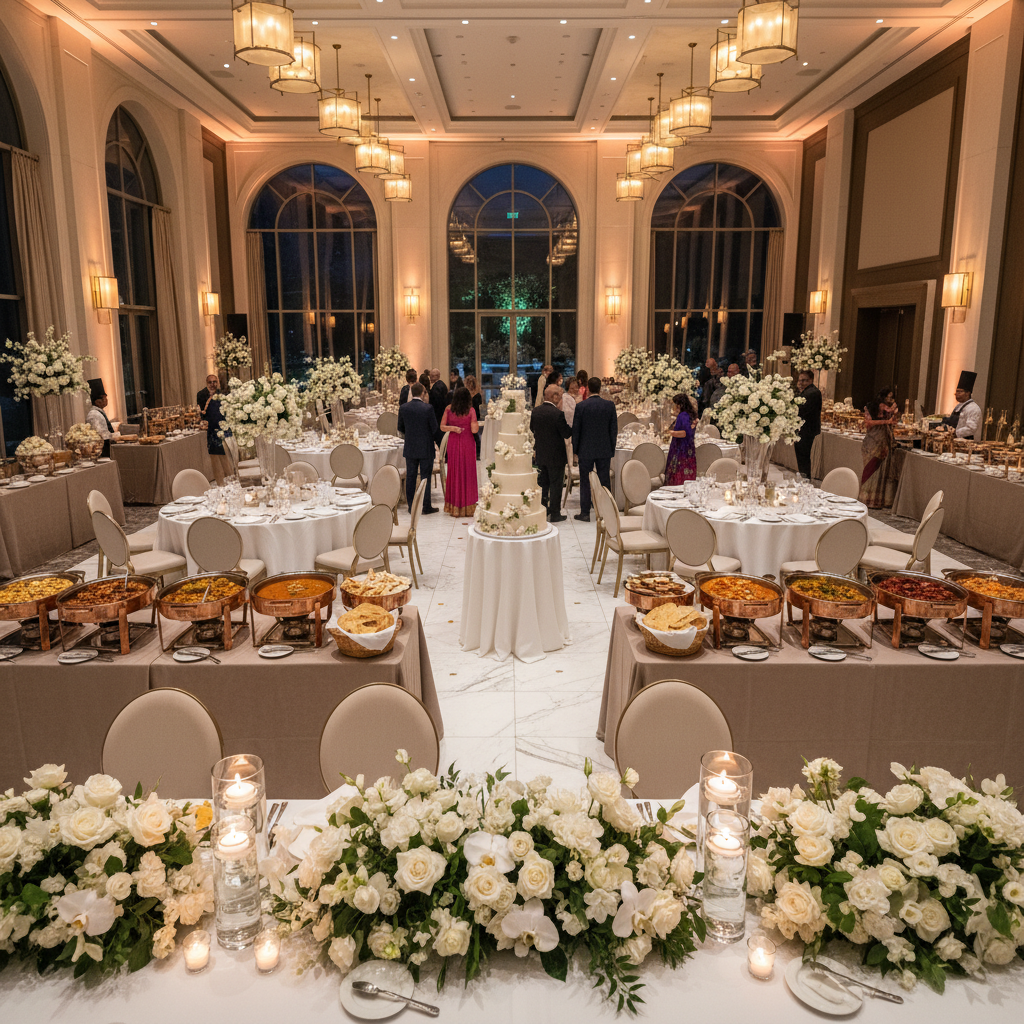
How to Choose a Wedding Venue with Indian Catering
Planning a South Asian celebration in Woodbridge or the Greater Toronto Area? This complete, step-by-step guide shows you how to evaluate a wedding venue with Indian catering, align menus with your traditions, and design an unforgettable guest experience—using real insights from Viceroy Banquet Hall’s modern, all-inclusive event spaces in Woodbridge, Ontario.
- Understand what an authentic, capable Indian catering program looks like
- Map rituals, menus, and AV so your timeline flows beautifully
- Compare service styles (buffet, plated, family-style, live stations)
- Use practical checklists, menu ideas, and planning tools
- Local tips for Woodbridge couples planning multi-day events
Summary
For couples searching for a wedding venue with Indian catering, the right choice blends authentic flavors, cultural sensitivity, and scale-ready service. In Woodbridge, Viceroy Banquet Hall supports Hindu, Sikh, Muslim, and fusion weddings with multi-cuisine menus (Indian, Pakistani, Afghan, Sri Lankan, Somali, Italian, Continental), flexible floor plans for 70–800 guests, and modern AV to keep every moment on cue.
Quick Answer
If you need a wedding venue with Indian catering near Woodbridge, Viceroy Banquet Hall in Woodbridge, Ontario delivers authentic multi-cuisine menus, flexible floor plans for 70–800 guests, and all-inclusive services—ideal for Hindu, Sikh, Muslim, and fusion celebrations across the GTA.
What Is a Wedding Venue with Indian Catering?
It’s far more than a kitchen that can “make butter chicken.” A true venue understands regional flavors, cultural customs, and high-volume execution—without compromising authenticity.
- Authentic culinary capability: North and South Indian menus (veg and non-veg), Halal readiness upon request, and regional specialties.
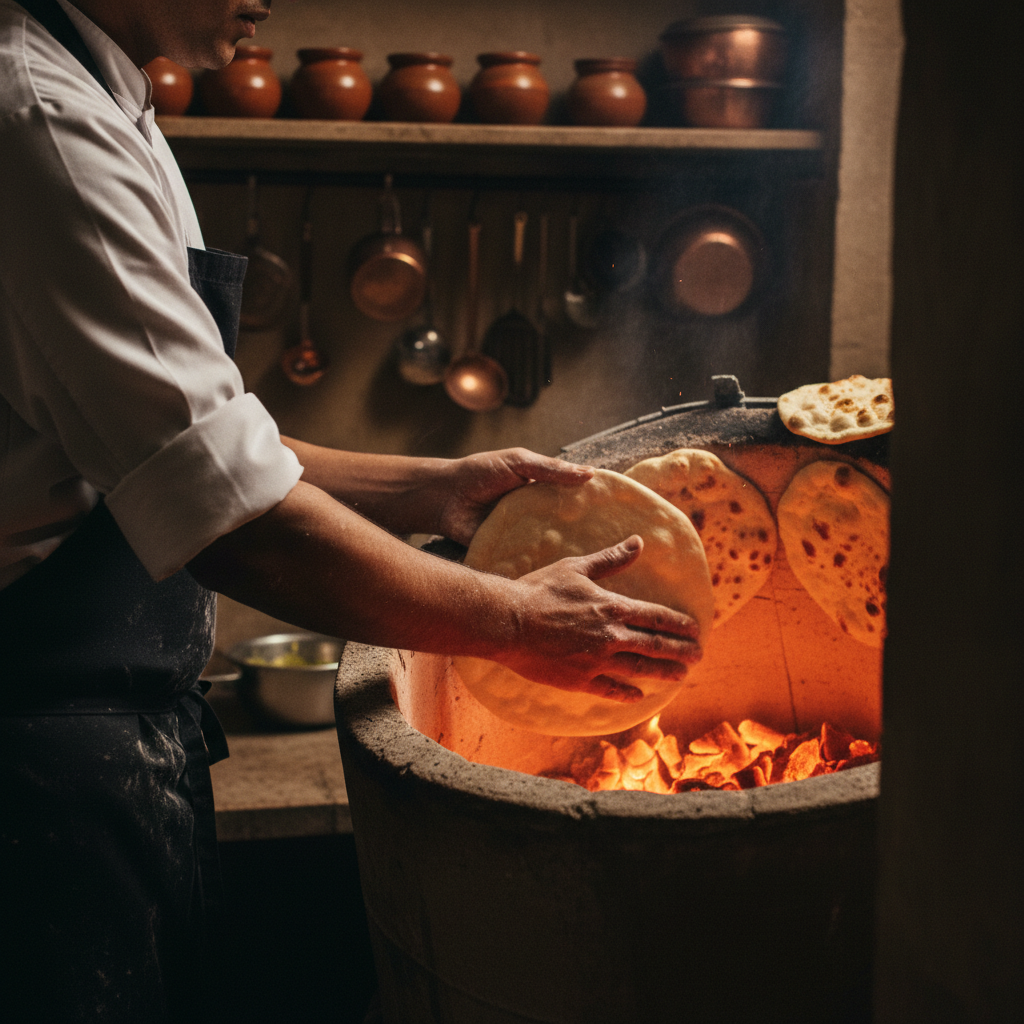
- Experienced chefs and teams: Skilled with tandoor, dum, tadka, and live-station service while keeping flavors balanced for mixed guest lists.
- Service formats that fit your program: Buffet, plated, family-style, and live stations (chaat, dosa, kebab, jalebi, tea/coffee)
- Scale-ready operations: Smooth service for 70–800 guests with proper staffing, equipment, and line-flow planning.
- All-inclusive logistics: AV, lighting, staging, bridal suites, and flexible floor plans for ceremony and reception transitions.
At Viceroy Banquet Hall, “Indian catering” lives inside a broader multi-cuisine program, perfect for fusion weddings where some guests want traditional Punjabi or South Indian fare while others prefer Italian or Continental. Explore the venue’s wedding overview on the Viceroy wedding page for a sense of the in-house experience.
Why This Choice Matters for Your Wedding
Food is memory. The right venue turns your menu into a shared experience—honoring traditions while keeping the timeline tight.
- Multi-day cohesion: Mehndi, sangeet, ceremony, and reception can all run on one campus with consistent service.
- Cultural precision: Support for baraat routes, milni, pheras, nikkah, ring ceremonies, and vidai—timed with catering breaks.
- Guest satisfaction: Vegetarian-forward options, balanced spice levels, and kid-friendly choices keep everyone happy.
- Technical reliability: Modern AV for live performances, entrances, and speeches—no awkward stops or feedback.
- Vendor simplicity: All-inclusive teams reduce coordination stress and unify accountability.
Want to see how an all-amenities setup helps? Review the venue amenities overview in this all-amenities guide for context on staging, suites, and AV.
How It Works: Planning to Day-Of Execution
Your Indian or fusion wedding succeeds when food, rituals, and entertainment follow a smooth arc. Think in stages, not just courses.
Pre-Event Planning
- Discovery session: Clarify guest count, dietary needs, and cultural customs (vegetarian-only moments, no alcohol hours, etc.).
- Tasting and menu design: Align regional preferences (Punjabi, Gujarati, Bengali, South Indian) with must-have dishes and spice profiles.
- Floor plan and flow: Map mandap placement, aisle clearance, dance floor, and buffet or family-style paths.
- AV run-of-show: Set cue points for entrances, live music, and speeches; confirm mic placements and screens.
- Service timeline: Plan welcome drinks, ceremony hydration, cocktail hour, main service, dessert, and late-night bites.
Event Day Execution
- Guest arrival: Welcome beverages (nimbu pani, rose sharbat) and light canapés to settle guests quickly.
- Ceremony support: Tea/coffee for elders; quiet snack points for kids; hydration stations near seating.
- Cocktail hour energy: Live chaat or dosa stations to add theater and freshness.
- Main service: Buffet, plated, or family-style—paced so guests don’t miss speeches or performances.
- Dessert moments: Mithai displays, kulfi carts, and fusion sweets (rasmalai tiramisu, gulab jamun donuts).
- Late-night bites: Indo-continental snacks to refuel the dance floor.
Post-Event Logistics
- Favors and mithai: Organize exit-flow tables so boxes don’t clog doorways.
- Vendor wrap: Coordinated teardown for décor and AV avoids bottlenecks in prep areas.
- Leftover policy: Align plans with food safety rules and venue guidelines.
For a deeper dive into multicultural timelines, skim this multicultural wedding planning guide and note how service windows line up with rituals.
Service Types and Approaches
Choose formats that match your guest count, layout, and program energy. Many couples blend styles across events.
Popular Service Styles
- Buffet: Maximizes variety; ideal for large guest counts and mixed regional tastes.
- Plated: Elevated presentation and predictable pacing; great for formal receptions.
- Family-style: Communal feel; encourages conversation and easy seconds.
- Live stations: Dosa, chaat, kebabs, jalebi—adds freshness and entertainment value.
Vegetarian-Forward Planning
- Two-thirds rule: Keep at least two-thirds of mains vegetarian to satisfy diverse guests.
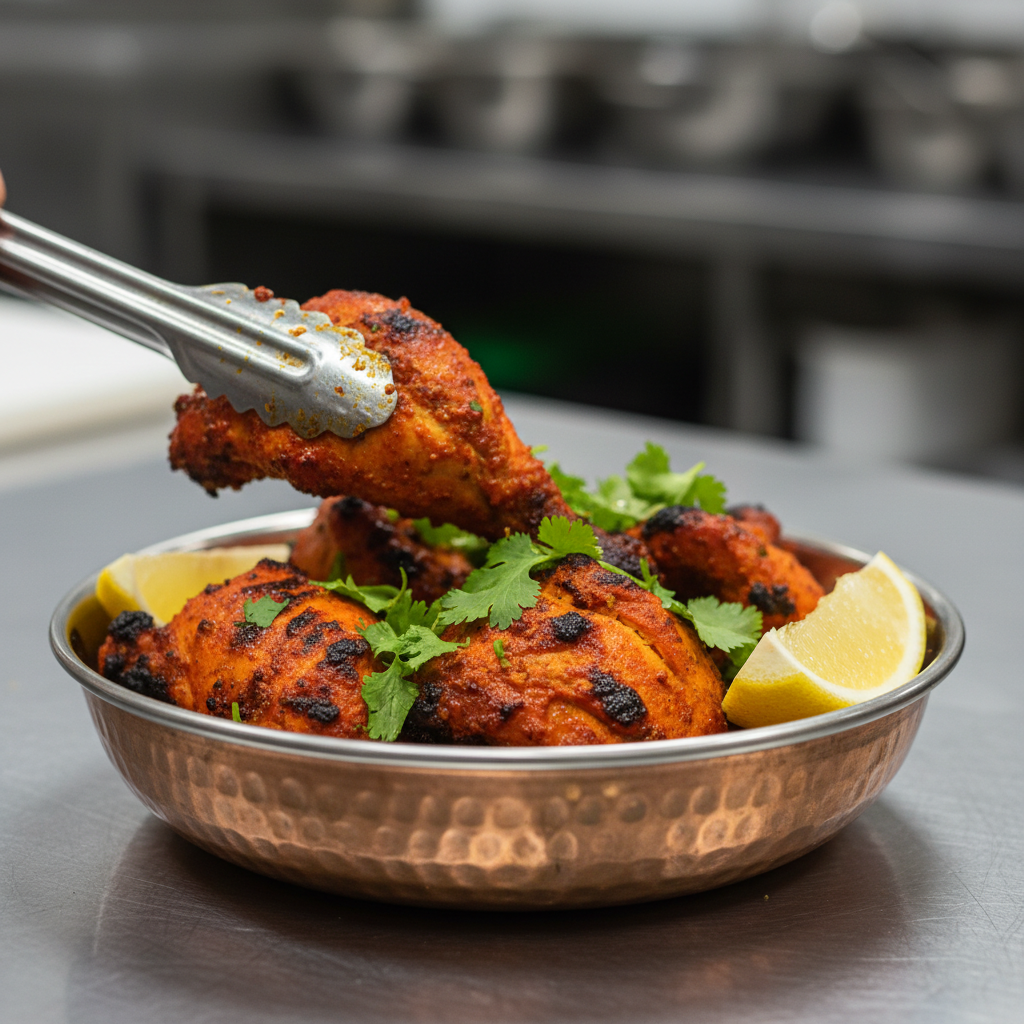
- Protein variety: Paneer, lentils, chickpeas, mixed vegetables, plus selective non-veg like tandoori chicken or fish.
- Allergen clarity: Clear labeling for nuts, dairy, and gluten at staffed stations.
Fusion Menus that Work
- Indo-Italian: Masala arancini, paneer ravioli, butter chicken penne.
- Indo-Continental: Tandoori salmon with herbed couscous; spiced cauliflower steaks.
- Dessert blends: Rasmalai tiramisu, gulab jamun cheesecake, mango panna cotta.
Want to see how flexible rooms support different formats? Browse the Viceroy venues overview for capacities and layouts tailored to mehndi, sangeet, ceremony, and reception.
Best Practices for Choosing a Wedding Venue with Indian Catering
Use this checklist to separate “can do it” from “does it brilliantly.”
- Kitchen readiness: Ask about tandoor capacity, separate vegetarian prep, and spice-level control.
- Chef credentials: Look for proven experience in Indian regional cuisines and live-station service.
- Menu flexibility: Seasonal produce, regional specialties, and family recipes welcomed.
- Scale confidence: Staff-to-guest ratios for 70 versus 800; how they manage lines and hot-holding.
- AV and staging: LED walls, lighting, and sound that enhance entrances and performances.
- Ritual support: Baraat route planning, indoor pheras area, sangeet stage, and private bridal suites.
- All-inclusive options: Décor, linens, chargers, chafers, china, and experienced service staff.
- Tasting policy: Comprehensive tastings with veg and non-veg options, plus spice adjustments.
- Food safety and allergens: Clear protocols for labeling, cross-contact prevention, and storage.
For a macro view of what all-inclusive looks like in practice, see this overview on all-inclusive wedding venues in the GTA.
Tools and Resources
Use these planning tools to bring clarity to multi-day Indian and fusion weddings.
- Menu planner (per event): Appetizers, mains, sides, breads, desserts for mehndi, sangeet, ceremony, and reception.
- Timeline builder: Map rituals, photo sessions, speeches, and dance sets against food service windows.
- Seating map checklist: Elder-friendly tables, kids’ zones, aisle clearance, and server paths.
- Ritual-to-catering matrix: Vegetarian-only moments, fasting windows, and Halal requests.
- AV cue sheet: Entrances, mic handoffs, live performance breaks, slideshow timing.
Pro tip: During venue tours, ask to see example floor plans for 200, 400, and 700 guests. It reveals how the team thinks about flow.
Case Studies and Examples
These realistic scenarios mirror common South Asian and fusion weddings in the GTA, using features available in modern, tech-forward spaces like Viceroy Banquet Hall.
Example 1: Large Punjabi Reception (650–700 guests)
- Service style: Live tandoor and chaat during cocktail hour; buffet mains; mithai display; late-night bites.
- Menu highlights: Amritsari fish, tandoori chicken, dal makhani, shahi paneer, biryani, naan/roti, kheer, jalebi.
- Program flow: Grand entrance; short speeches; mains; 30-minute dance set; dessert; coffee/tea; late-night snacks.
- Venue notes: Big dance floor, LED backdrop for family slideshows, separate vegetarian prep, dedicated AV tech.
Example 2: Hindu Ceremony + Reception (200–250 guests)
- Service style: Vegetarian-forward plated dinner after a lively dosa station at cocktail hour.
- Menu highlights: Dosa with chutneys, paneer tikka, vegetable korma, jeera rice, garlic naan, rasmalai.
- Program flow: Morning pheras; afternoon photos; evening cocktail hour; plated dinner; family performances; dessert.
- Venue notes: Mandap area with proper power and ventilation; quiet prayer space and private bridal suite.
Example 3: Fusion Reception (300 guests)
- Service style: Family-style platters to encourage conversation and shared tasting.
- Menu highlights: Paneer ravioli, tandoori salmon, masala roasted vegetables, naan baskets, mango panna cotta, gulab jamun.
- Program flow: Speeches grouped before mains; long open-dance session; dessert stations during late-night set.
- Venue notes: AV for live band plus DJ; uplighting to shift the room from dinner to dance.
Example 4: Muslim Wedding with Halal Menu (400–500 guests)
- Service style: Buffet with staffed carving and kebab stations to manage line flow.
- Menu highlights: Seekh kebab, chicken boti, vegetable pulao, palak paneer, mixed grill, korma, naan, falooda.
- Program flow: Nikkah; photo session; reception with limited speeches; main service; dessert and tea.
- Venue notes: Clear signage for prayer spaces; Halal prep confirmed; beverage service aligned with family preferences.
Example 5: Tamil or South Indian Vegetarian Reception (180–220 guests)
- Service style: Traditional vegetarian buffet with live dosa and filter coffee stations.
- Menu highlights: Sambar, rasam, poriyal, avial, curd rice, lemon rice, dosa varieties, payasam.
- Program flow: Ceremony; light lunch; evening reception with performances; dessert station.
- Venue notes: Extra staff for dosa throughput; separate veg prep and utensils; optimized buffet flow.
For more wedding-focused insights specific to Woodbridge and the GTA, you can browse Viceroy’s broader planning content starting with this GTA wedding venue guide.
Service Style Comparison
| Service Style | Best For | Pros | Considerations |
|---|---|---|---|
| Buffet | Large guest counts | Maximum variety; faster service | Requires space planning for lines; heat/hot-holding management |
| Plated | Formal receptions | Elegant presentation; predictable timing | Menu choice limits; more staff-intensive |
| Family-style | Interactive dining | Communal feel; easy refills | Table space for platters; spill risk |
| Live stations | Cocktail hour energy | Freshly made; entertainment value | Ventilation and safety; staffing at peak times |
Visual Inspiration
These images capture the culinary craftsmanship and live-station energy that make Indian wedding catering so memorable.
Local Tips
Local Tips
- Tip 1: Coordinate your baraat timing and route with your venue team; align arrival windows so live stations are hot and ready when guests transition inside.
- Tip 2: Peak wedding months book up fast; reserve tastings and AV walkthroughs early so your catering plan syncs with entrances, performances, and speeches.
- Tip 3: For multi-day events, confirm storage and next-day setup policies so décor and favors don’t block kitchen lanes during prep.
IMPORTANT: These tips match venues that provide in-house multi-cuisine catering, flexible floor plans, and modern AV—like Viceroy’s modern event spaces in Woodbridge.
Book a Tasting and Floor Plan Walkthrough
Curious how your menu and timeline would flow in real rooms? A tasting plus a floor plan walkthrough brings your ideas to life and reveals simple ways to streamline service for elders, kids, and out-of-town guests.
- Discuss vegetarian-forward menus and spice levels
- See live-station setups and line-flow plans
- Preview AV cues for entrances, performances, and speeches
- Review sample layouts for 200, 400, and 700 guests
Explore the Viceroy wedding overview to start planning your visit.
FAQ
How do I evaluate a venue’s Indian catering capability?
Ask about chef background, tandoor capacity, separate vegetarian prep, and sample menus across regions. Confirm staffing for live stations and how spice profiles are managed for diverse guests. Request a tasting that includes veg and non-veg items plus a few fusion selections.
What service style works best for a mixed-guest crowd?
Buffet or family-style typically delivers variety and speed. Add one or two live stations at cocktail hour for freshness and entertainment, then consider plated desserts or a mithai display for a polished finale.
Can one venue handle mehndi, sangeet, ceremony, and reception?
Yes—if the venue offers flexible floor plans, AV, staging, and experienced teams. Verify room turnover logistics and seating maps for each event so catering never collides with décor changes or photo sessions.
How do we manage dietary restrictions without slowing service?
Label common allergens (nuts, dairy, gluten) at staffed stations and maintain vegetarian-only prep zones. Offer vegan and Jain options and gather dietary notes through a pre-event guest survey for kitchen planning.
When should tastings happen?
Six to eight weeks ahead is common. For multi-day or large weddings, schedule earlier so menus and service formats can be refined through feedback without time pressure.
Key Takeaways
- Pick a wedding venue with Indian catering that treats cuisine as a craft, not a checkbox.
- Design vegetarian-forward, guest-friendly menus with smart spice balance.
- Use floor plans, AV cues, and staged service to keep your timeline tight.
- Blend buffet, family-style, plated, and live stations to fit each event.
- Lean on all-inclusive teams to simplify vendor coordination.
Conclusion & Next Steps
- Shortlist venues that can execute Indian, Pakistani, Afghan, Sri Lankan, and fusion menus at scale.
- Match your rituals and entertainment to a service timeline that avoids delays.
- Confirm kitchen readiness, chef credentials, and vegetarian-forward planning.
- Walk the rooms and review example layouts for your guest count.
Ready to plan your celebration in Woodbridge? Explore Viceroy’s versatile event spaces and wedding services, then book a discovery session to start crafting a menu and timeline your guests will rave about.
