
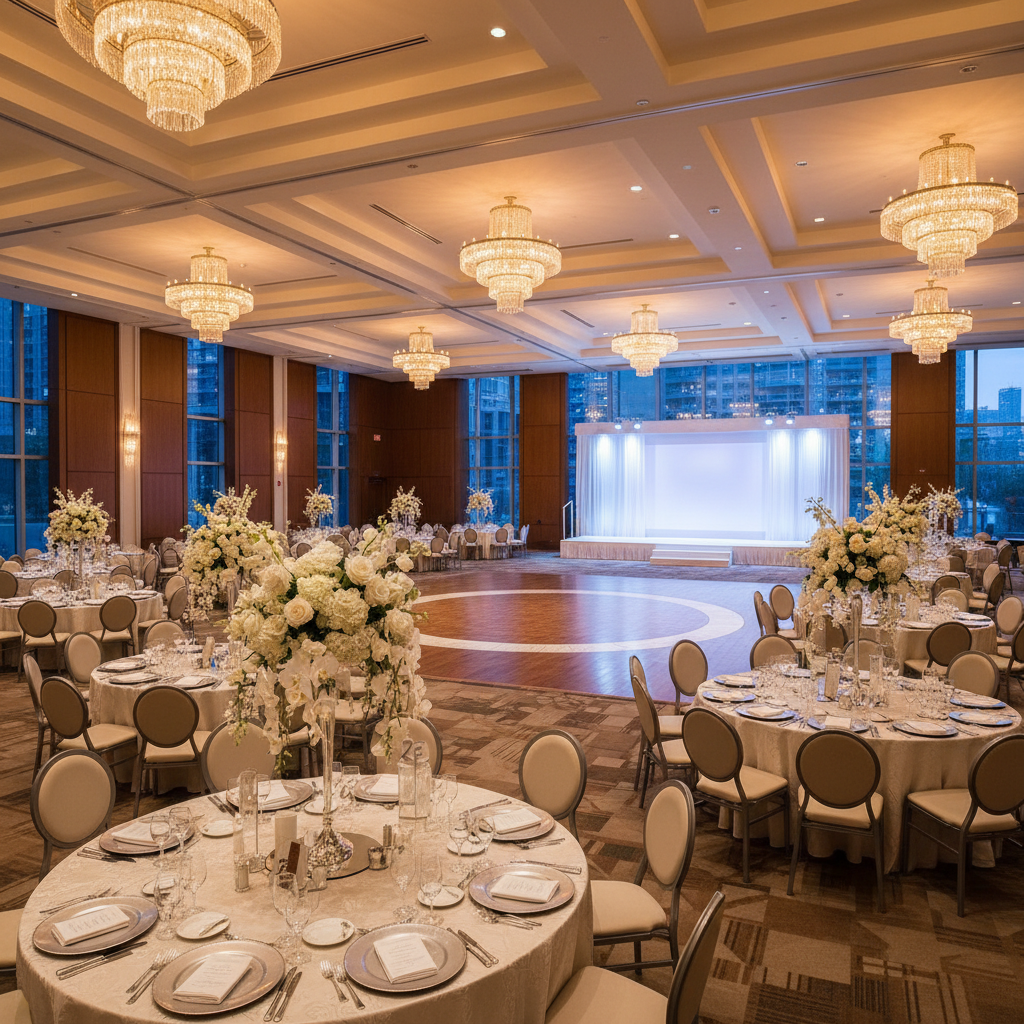
Banquet Hall for 300 Guests Woodbridge: Complete Guide
Quick Answer
If you need a banquet hall for 300 guests in Woodbridge, Viceroy Banquet Hall in Woodbridge (at Woodbridge) offers contemporary ballrooms, multi-cuisine catering, and all-inclusive coordination—ideal for weddings, social events, and corporate galas. Flexible floor plans and modern A/V make mid-size events smooth, memorable, and on schedule.
Hosting 300 people is a big milestone—wedding, gala, quinceañera, corporate awards, or cultural celebration. The right venue turns complexity into confidence. In this complete guide, we’ll use real practices from Viceroy Banquet Hall (Woodbridge, Ontario) to help you plan a seamless experience your guests will rave about.
Quick Summary
- Find out what “300-guest ready” really means for space, service flow, and A/V.
- See sample layouts, seating styles, and menu approaches that work at this scale.
- Use step-by-step planning, checklists, and pro tips to stay on time.
- Tap Viceroy’s multi-cuisine kitchen and all-inclusive services for fewer moving parts.
- Local guidance tailored to Woodbridge and the Greater Toronto Area (GTA).
Table of Contents
- Choosing a Banquet Hall for 300 Guests in Woodbridge
- What Is a 300-Guest Banquet Hall?
- Why 300-Guest Planning Matters
- How the Venue Planning Process Works
- Layouts, Menu Styles, and Approaches
- Best Practices for Stress-Free Execution
- Tools, Templates, and Resources
- Real-World Examples (Woodbridge & GTA)
- FAQ
- Conclusion & Key Takeaways
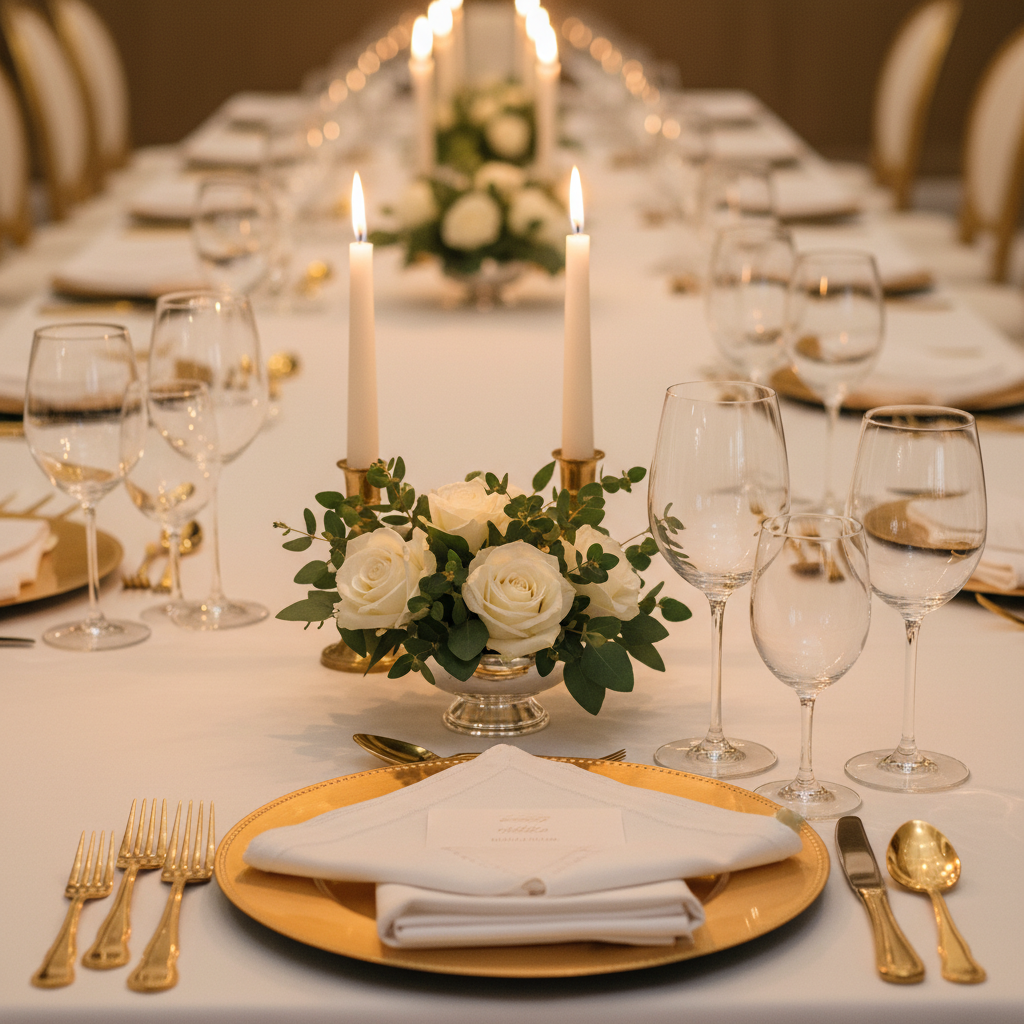
Local Tips
- Tip 1: Time site visits and guest arrival around Highway 7, Highway 27, and Weston Road rush periods. Note travel buffers on invitations and your run-of-show.
- Tip 2: Winter in Woodbridge calls for staffed coat check and snow-friendly entry mats. In summer, set chilled water stations near the foyer and photo areas.
- Tip 3: Coordinate vendor load-ins using venue-approved corridors and docks; confirm elevator access and staging for décor, entertainment, and A/V teams in advance.
IMPORTANT: These tips reflect how 300-guest events actually run in Woodbridge and the GTA, using all-inclusive venue workflows.
Choosing a Banquet Hall for 300 Guests in Woodbridge
When you search “banquet hall for 300 guests Woodbridge,” you’re really asking: Will my event feel comfortable, well-paced, and unforgettable? Use these essentials to decide.
- Capacity with breathing room: Ensure 300 seated guests fit with proper aisle widths, server lanes, and accessible routes—no cramped corners.
- Flexible floor plans: Look for layouts that adapt to weddings, corporate awards, quinceañeras, bar/bat mitzvahs, and cultural banquets.
- All-inclusive coordination: Venues like Viceroy simplify planning with in-house catering, staffing, A/V, and timeline management.
- Multi-cuisine capability: In the GTA, honoring Italian, Continental, Indian, Pakistani, Afghan, Sri Lankan, and Somali cuisines is a must.
- Modern technology: Distributed audio, intelligent lighting, projection/LED walls, and rehearsal support keep programs on schedule.
- Reputation for execution: Ask about 300-guest examples, tech rehearsals, and how the team handles late RSVPs or weather pivots.
Want to see how your program could look inside real rooms? Walk through sample ballrooms and layouts on our venues page and bring your run-of-show for a live mapping exercise.
What Is a 300-Guest Banquet Hall?
A “300-guest” venue is more than a headcount—it’s a system that serves dinner, speeches, and entertainment without friction.
- Room proportions: Rounds of 8–10, a dance floor sized for 30–40% of guests, and clear lines of sight to the stage.
- Service flow: Back-of-house pathways for catering teams, discreet bussing routes, and protected staging for A/V.
- Program zones: Head table/sweetheart table, stage, DJ/band, dual bars, dessert or cultural stations, and photo backdrops.
- Accessibility: Barrier-free entries, accessible restrooms, and reserved seating when needed.
- Kitchen capacity: On-site, high-output kitchen to deliver multi-cuisine menus on time and at temperature.
- A/V backbone: Wireless mics, confidence monitors, projection or LED displays, and lighting control for mood and spotlighting.
- Staffing model: Coordinated team for coat check, ushers, captains, servers, and an event lead to run cues.
Why 300-Guest Planning Matters
At 300 attendees, small oversights ripple quickly. Get the fundamentals right and your event feels effortless.
- Guest flow: Clear signage and ushering reduce bottlenecks at coat check, bars, and restrooms.
- Timeline discipline: Plated courses, speeches, and entertainment stay tight with a practiced A/V crew.
- Cultural hospitality: Inclusive menus, prayer spaces if needed, and respectful pacing for traditions.
- Vendor choreography: Staggered load-ins, cable management, and backstage etiquette protect your look and schedule.
- Experience design: Lighting, sound zoning, scent, and temperature control shape the vibe as much as décor.
- Contingencies: Weather, traffic, or late RSVPs are handled with backup cues and ready staff.
How the Venue Planning Process Works
Use this proven flow to take your event from idea to applause at an all-inclusive, modern venue.
- Initial inquiry: Share date options, event type, 300-guest estimate, and any must-have rituals or segments.
- Site tour: Walk the ballroom, foyer, suites, and back-of-house; visualize 300 guests moving through each part of the program.
- Floor plan design: Balance stage, dance floor, server lanes, dessert and late-night stations, and photo ops.
- Menu planning: Combine cuisines (e.g., Italian antipasti + Indian mains) and confirm dietary accommodations.
- A/V planning: Select mics, screens, playback, spotlight looks; schedule a rehearsal for speeches and entrances.
- Program timeline: Map arrivals, cocktail hour, grand entrance, courses, speeches, performances, and late-night service.
- Vendor alignment: Coordinate décor, photo/video, entertainment, officiants, and specialty acts to venue standards.
- Guest communications: Send parking map, arrival windows, dress code, and accessibility notes in RSVP emails.
- Final confirmations: Lock headcount, seating chart, menu tags, and cue sheets; circulate the final run-of-show.
- Event execution: Day-of lead runs cues; captains monitor service timing and guest comfort; A/V manages transitions.
Preview what a full-service process looks like for business functions on our corporate event page; for family celebrations, see the social events overview.
Layouts, Menu Styles, and Approaches
Pick approaches that fit your program, culture, and guest mix. These options shine at 300 attendees.
Seating & Room Layouts
- Banquet rounds (8–10 per table): Elegant, social, and efficient for plated or family-style service.
- Mixed rounds + long tables: Adds visual style and creates “neighborhoods” for families and teams.
- Theater style: Ideal for ceremonies and keynotes; move to reception layout for dining and dancing.
- Classroom style: Best for workshops; supports note-taking and power strips, with lower capacity than theater.
- Cocktail reception: High-tops and lounge groupings; great for networking or pre-function mingling.
- Zones and stations: Bars, dessert, cultural activations, and photo areas placed to reduce crowding.
Quick Comparison: Popular Layouts for 300 Guests
| Layout | Best For | Pros | Considerations |
|---|---|---|---|
| Banquet Rounds | Weddings, galas | Social, elegant, easy service | Ensure aisle spacing for servers |
| Mixed Rounds + Long | Stylish receptions | Visual variety, family vibe | More complex seating charts |
| Theater | Keynotes, ceremonies | Max seating, great sightlines | Requires separate dining layout |
| Classroom | Training, workshops | Comfortable note-taking | Lower capacity vs. theater |
| Cocktail | Networking, mixers | High energy and movement | Less formal seating |
Menu & Service Approaches
- Plated dinner: Formal pacing and clear cueing for speeches and reveals.
- Family-style: Conversation-friendly with shared platters; great for cultural banquets.
- Buffet and live stations: Variety and guest choice; manage lines with attendants and signage.
- Hybrid service: Plated mains with station-style appetizers or late-night favorites.
- Multi-cuisine menus: Blend Italian, Continental, Indian, Pakistani, Afghan, Sri Lankan, and Somali staples.
- Dietary inclusion: Clearly mark halal, vegetarian, vegan, and gluten-free options; avoid cross-contact.
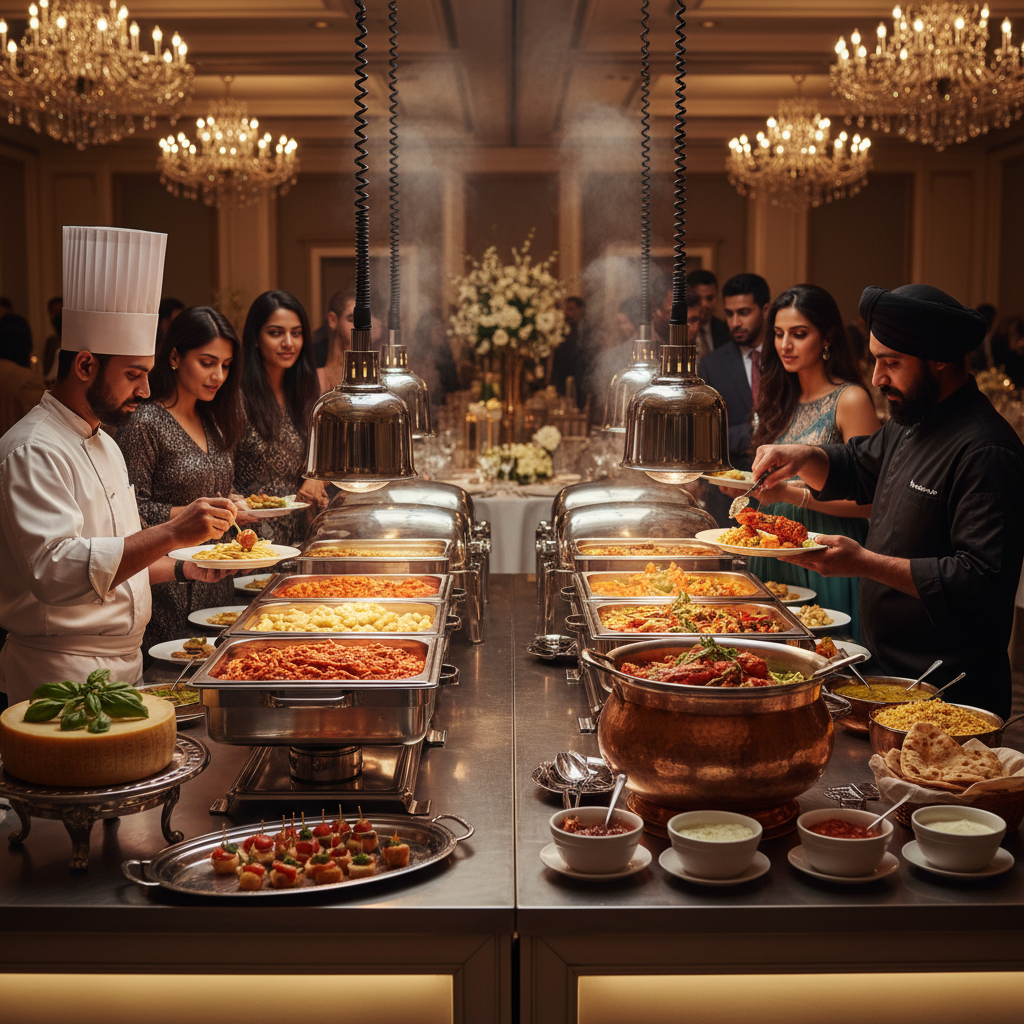
12 Example Pairings That Work at 300 Guests
- Italian antipasti bar + Indian mains (butter chicken, paneer tikka) + gelato cart.
- Continental canapés + Pakistani biryani + chai/coffee station.
- Afghan kabobs + fresh salads + Somali rice and stew.
- Vegetarian-forward platters + seafood pasta + mini tarts.
- Family-style Italian + live tandoor naan + late-night sliders.
- Cocktail grazing boards + plated mains + dessert stations.
- Station-only party with action chefs + espresso bar.
- Kids’ corner (mild pasta/pizza) + adult spice-forward options.
- Halal-certified proteins + vegetarian mains for balance.
- Gluten-free labels + dairy-free dessert segment.
- Regional tasting (South Asian + Mediterranean) on alternating tables.
- Elegant plated set + late-night poutine or shawarma bites.
Best Practices for Stress-Free Execution
These field-tested moves protect your timeline and guest experience—especially at 300-person scale.
- Right-size the dance floor: Plan for 30–40% of guests dancing at once; keep clean paths to bars and restrooms.
- Sound zoning: Balance dance-floor volume with quieter conversation zones for elders, execs, or VIPs.
- Lighting layers: Use ambient, accent, and spotlighting to shift from formal dinner to party mode naturally.
- Stage management: Assign one stage lead for speeches, awards, and entrances; rehearse mic handoffs.
- A/V redundancy: Backup mics, tested playback, and spare cables prevent mid-program hiccups.
- Service timing: Stagger table service and bussing to avoid server traffic jams.
- Dietary badges: Mark dietary needs on the seating chart and provide the kitchen a consolidated list.
- Vendor rulesheet: Share a one-page guide (load times, cable taping, flame/fog/confetti policies) to ensure compliance.
- Accessibility: Confirm ramps, table spacing, and nearby exits for guests who need them.
- Transportation plan: Add rideshare pins, parking maps, and greeters at key doors.
- Weather pivots: Umbrella baskets or water stations seasonally; have an indoor photo backup.
- MC/emcee cues: Provide a simple cue sheet for announcements, toasts, and transitions.
Not sure what to ask your venue? Use this practical checklist of questions to ask before you book to align expectations early.
Tools, Templates, and Resources
Speed planning with light-but-powerful templates your team and vendors can follow.
- Run-of-show sheet: Columns for time, cue, owner, contact, and backup plan; share it with all vendors.
- Seating chart worksheet: Track VIPs, elders, kids, dietary needs, and wheelchair spaces by table.
- Floor plan sketch: Map table counts, dance floor, stage, bars, dessert stations, and photo ops.
- A/V input list: Mics, playback sources, screens, lighting looks, and tech rehearsal notes.
- Vendor roster: Arrival windows, insurance status, load-in notes, and emergency contacts.
- Guest comms pack: Parking map, arrival windows, dress code, and accessibility notes you can paste into emails.
- Menu matrix: Multi-cuisine options with dietary tags and service style (plated, family-style, stations).
Planning a conference or gala? Explore formats and timelines tailored to business audiences on our corporate event overview.
Real-World Examples (Woodbridge & GTA)
These mini case scenarios mirror the events Viceroy Banquet Hall hosts across weddings, social, and corporate functions.
1) Woodbridge Wedding Reception (300 Guests)
- Layout: Banquet rounds of 10, sweetheart table, 24’ x 24’ dance floor, dual bars, dessert station near photo backdrop.
- Menu: Italian antipasti + Indian mains; vegan and halal options labeled at service points.
- A/V: Wireless mics, spotlighted first dance, LED wall montage during speeches.
- Flow: 60-minute cocktail hour, grand entrance, plated dinner, speeches between courses, DJ set with live dhol.
- Win: Tight kitchen pacing and generous aisle management kept the dance floor full all night.
2) Corporate Gala & Awards (300 Guests)
- Layout: Rounds of 8 for note space, elevated stage with teleprompter sightlines, side aisles for photography.
- Menu: Continental with plated mains; labeled allergens; late-night sliders for networking.
- A/V: Podium mic + two handhelds, confidence monitor, wide projector screen with branded looks.
- Flow: Cocktail networking, seated dinner, 45-minute awards block, live band set, sponsor activations.
- Win: Clear rehearsals and cueing minimized on-stage pauses and kept the program crisp.
3) Quinceañera / Sweet 16 (300 Guests)
- Layout: Mixed rounds and long family tables; open floor for court entrance and choreography.
- Menu: Fusion stations (pasta + South Asian appetizers) and a showpiece cake with plated dessert.
- A/V: Uplighting color wash to match theme; spotlight for formal dances; emcee support.
- Flow: Photo session, court entrance, speeches, dinner, dance program, DJ set.
- Win: Multiple photo zones reduced lineups and captured every family grouping.
4) Community or Cultural Celebration (300 Guests)
- Layout: Family-style with generous server aisles for shared platters.
- Menu: Pakistani + Afghan mains, Sri Lankan appetizers; clearly marked stations for dietary needs.
- A/V: Live musicians with balanced sound zones for performance and conversation.
- Flow: Welcome prayer or cultural blessing, formal dinner, performances, open dance.
- Win: Respectful pacing honored traditions while keeping energy high.
Curious how a larger headcount affects planning? See how big-room logistics scale in our 500+ guest wedding primer. For venue selection in the GTA at large, skim the Toronto venue guide.
FAQ
- How do I choose the right layout for 300 guests?
Start with your program priorities—formal dinner vs. dance-forward party vs. presentations. Size the dance floor and stage first, then place tables to preserve server lanes and sightlines. - What menu style works best at this size?
Plated is elegant and predictable; family-style boosts connection; stations offer variety and pace. Hybrid is popular—plated mains with station-style appetizers or late-night bites. - How early should I finalize A/V?
Lock your A/V once your run-of-show and headcount stabilize. Schedule a tech rehearsal for speeches, entrances, and any live performance cues. - Can I honor multiple cultural traditions in one event?
Absolutely. Blend cuisines, music, rituals, and décor. Coordinate key moments with a precise timeline so nothing feels rushed or overlooked. - What’s the best way to keep 300 guests on schedule?
Wayfinding signage, well-briefed ushers, clear emcee cues, and tight service pacing keep the night flowing from arrival to last dance.
Conclusion & Key Takeaways
- A successful 300-person event balances layout, menu, A/V, and guest flow.
- All-inclusive venues with multi-cuisine kitchens reduce vendor juggling and elevate hospitality.
- With the right plan and rehearsed cues, your program stays on time and stress-free.
- Viceroy’s flexible floor designs (70–800 guests) and modern tech support mid-size celebrations beautifully.
Key Takeaways
- Define priorities first (ceremony, speeches, dancing), then build the room around them.
- Choose a banquet hall for 300 guests in Woodbridge with strong A/V and kitchen capacity.
- Blend cuisines and service styles to honor diverse guest preferences.
- Document a run-of-show and rehearse critical transitions to avoid delays.
Ready to map your program to the room? Explore layouts on the modern event space tour and book a discovery session in Woodbridge.
