
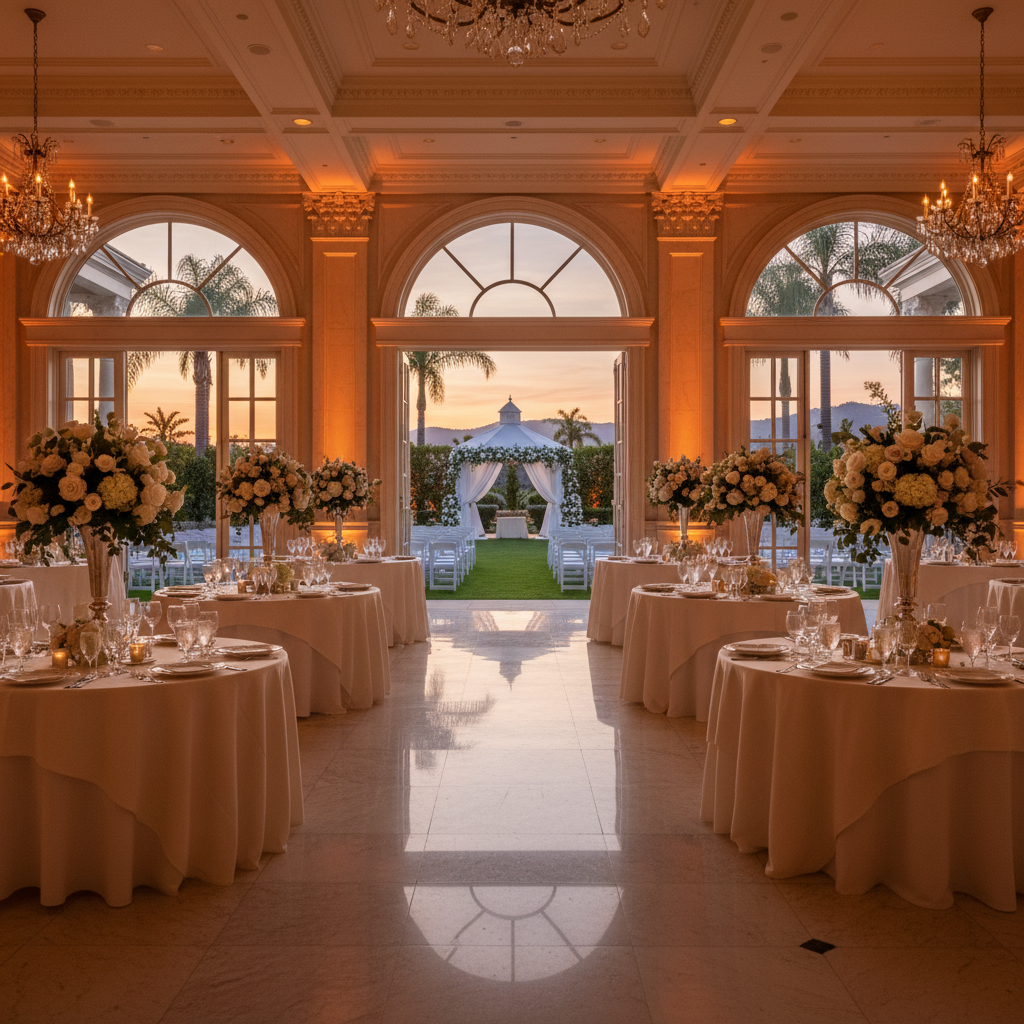
Wedding Venue With All Amenities: The Complete 2026 Guide
Planning a celebration that feels effortless, elegant, and guest-friendly? Choosing a wedding venue with all amenities—often called an all-inclusive or full-service venue—puts ceremony, reception, and guest experience under one roof so you can focus on what matters most.
- Understand exactly what “all amenities” includes (and where it stops).
- Use our tour-day checklist to compare venues side-by-side—fast.
- See how timelines, staffing, catering, AV, and vendor coordination run at full-service spaces.
- Decode proposals with a pricing structure section (no dollar figures mentioned).
- Grab ready-to-use questions, templates, and best practices that save hours.
Summary
- Who this guide is for: Couples considering a full-service, all-inclusive space.
- What you’ll get: A practical framework for assessing inclusions, logistics, and guest comfort.
- Outcome: Choose confidently, knowing your core needs are covered without surprise gaps.
Quick Answer
An all-inclusive wedding venue—often described as a wedding venue with all amenities—bundles ceremony and reception spaces with essentials like catering, rentals, staffing, and AV in one place. At My Business, we share practical guidance so you can evaluate full-service venues in your area and book with confidence.
Local Tips
- Transportation: Favor venues with straightforward freeway access plus on-site parking or valet. Ask about rideshare pick-up zones and shuttle staging near the entrance.
- Seasonal planning: Confirm indoor backup options for heat, rain, or snow. Verify climate control in ceremony, cocktail, and reception areas—comfort keeps the timeline on track.
- Operational nuance: Request the venue’s preferred vendor list and delivery windows, especially if loading docks or elevators are involved. This prevents delays during setup.
IMPORTANT: Use these checks during your site tour to avoid day-of bottlenecks.
What Is an All-Amenities Wedding Venue?
It’s a full-service property that supplies core wedding components on-site. Instead of juggling many vendors, you work primarily with the venue, which consolidates planning and execution for a smoother experience.
- Spaces: Ceremony lawn or hall, cocktail area, and reception room (often with dance floor and lounge zones).
- Rentals: Tables, chairs, basic linens, napkins, flatware, glassware, and serviceware included in-house.
- Catering: On-site kitchen or exclusive catering partner; options for plated, buffet, stations, or family-style.
- Bar service: Hosted, consumption, or limited-time bar packages with trained bartenders.
- Staffing: Banquet captain, servers, bartenders, setup/teardown crew, and security as needed.
- Coordination: Venue coordinator or day-of lead for timelines, cues, and vendor access management.
- AV & Lighting: In-house sound system, microphones, projector/screen, and uplighting or preset scenes.
- Prep Areas: Bridal suite/getting-ready rooms with mirrors, natural light, garment racks, steamer, and outlets.
- Parking & Access: On-site parking, valet options, clearly marked entries, and ADA accessibility to all guest areas.
- Extras: Basic décor inventory, easels, cake table/knife/stand, signage holders, and built-in wayfinding.
Why a Wedding Venue With All Amenities Matters
- One contract, fewer headaches: Consolidated logistics reduce calls, emails, and decision fatigue.
- Predictable execution: Teams run the same floor plans weekly; they know what works and what breaks.
- Faster setup and flip: In-house crews can flip ceremony-to-reception spaces quickly and efficiently.
- Guest comfort: Wayfinding, restrooms, and seating handled by staff who know the property.
- Backup plans on-site: Rain plan, power redundancy, and indoor photo locations ready to go.
- Vendor compatibility: Preferred lists speed approvals and simplify insurance requirements.
- Design cohesion: Built-in lighting and décor basics keep the look consistent without overcomplicating.
Looking for inspiration while you shortlist venues? Our guide to finding your perfect venue offers a quick decision framework you can apply during initial outreach.
How Full-Service Venues Work (From Tour to “Send-Off”)
Here’s the typical journey so you know what to expect and what to ask at each step.
1) Discovery & Tour
- Share guest count, preferred dates, ceremony/reception vision, and dietary needs up front.
- Walk ceremony, cocktail hour, and reception spaces; confirm the rain plan location and timing.
- Review sample floor plans, lighting scenes, and typical timelines for your size and format.
- Ask about sound limits, quiet hours, and power distribution for band/DJ and lighting.
- Confirm accessibility routes: step-free entries, elevators, and ADA-compliant restrooms.
2) Proposal & Package Outline
- Itemized inclusions: rentals, catering, staffing, AV, and coordination support (get it in writing).
- Options: plated vs. buffet, hosted vs. consumption bar, upgraded linens, lounge furniture, late-night snacks.
- Policies: outside vendors, décor restrictions (open flames, confetti), quiet hours, and overtime windows.
- Sample documents: request a banquet event order (BEO) to see service timing and staffing ratios.
3) Contract & Planning Milestones
- Key dates: tasting, walkthrough, final headcount, vendor confirmation, rehearsal, and load-in schedule.
- Insurance: venue requirements for liability and vendor certificates; verify delivery windows and load paths.
- Logistics: loading docks, elevators, storage, décor installation rules, and next-day pickup permissions.
4) Final Week & Day-Of
- Run-of-show: share a final timeline; distribute the contact sheet to vendors and key family members.
- Load-in sequencing: rentals and décor first, then florals, entertainment, and any specialty installations.
- Contingencies: weather calls, power checks, microphones, and backup cables; confirm point people.
- Guest flow: signage, ushers, and staff placement for smooth transitions between spaces.
Planning tech can elevate guest experience. See our take on modern wedding tech features that wow without adding chaos.
Types of Full-Service Venues (And Who They Fit)
- All-inclusive estates/ballrooms: Classic décor, robust kitchens, and sizeable dance floors—great for large guest counts and formal aesthetics.
- Hotels and resorts: Room blocks, concierge, late-night lounges, and integrated spa/amenities for out-of-town guests.
- Urban lofts and industrial spaces: Built-in lighting/sound, flexible layouts, and easy downtown access for vendors and guests.
- Country clubs: Lush ceremony views, polished service, covered verandas, and refined culinary programs.
- Museums and cultural centers: Statement architecture, curated experiences, professional event teams, and impeccable security.
- Garden venues with pavilions: Outdoor ambiance with covered backups, power access, and on-site coordination.
For a sense of how multi-room venues present options, scan a public venues overview such as this venues page to note typical room names, capacities, and flow ideas.
Best Practices to Evaluate a Wedding Venue With All Amenities
Tour-day checklist (print or save)
- Capacity and room flow at your guest count (ceremony → cocktail → reception).
- Sightlines for vows, speeches, and first dances; ask for sample floor plans with columns marked.
- Bridal suite features: mirrors, natural light, garment racks, steamer, outlets, and nearby restrooms.
- Staffing ratios and responsibilities; clarify who cues the processional and toasts.
- AV readiness: microphones, ceremony sound, dance floor speakers, and backup cables; test a mic.
- Lighting: dimming, color temperature control, uplights or pinspots, and photo-friendly scenes.
- Kitchen capabilities: hot holding, dietary accommodations, late-night snack logistics.
- Bar logistics: signature cocktails, last-call timing, line management, and glassware style.
- Access: parking, valet, shuttle turnaround, rideshare zones, and wayfinding signage.
- Accessibility: step-free routes to all guest areas and ADA-compliant restrooms and seating.
- Backup plan: designated indoor ceremony spot, tenting permissions, and inclement-weather triggers.
- Restrictions: real candles, confetti, sparklers, hanging installations, and fog/haze usage rules.
- Cleanup & storage: next-day pick-ups, cold storage for florals/cake if permitted, and trash removal.

Compare packages apples-to-apples
- Note what’s standard vs. upgrades (linens, chairs, china, lounge groupings, lighting scenes).
- Clarify ceremony fees vs. reception inclusions; verify rehearsal time and space on-site.
- Ask how overtime is handled for setup, teardown, or extended receptions.
- Confirm vendor policies: outside caterers, DJs/bands, or décor teams and approval steps.
- Request a sample BEO to see service pacing, courses, and staffing touchpoints.
Risk checks most couples miss
- Sound limits and quiet hours for indoor/outdoor spaces; understand enforcement.
- Power distribution for band, DJ, lighting, and photo booths; confirm dedicated circuits.
- Emergency plan: point person, weather alerts, evacuation routes, and first-aid readiness.
- Load-in pathway dimensions for arches, stages, or lounge furniture; measure doorways and elevators.
Mid-article resource (soft CTA)
Want a stress-reducing framework you can use right away? Save this guide and bring the checklists to your venue tours. My Business publishes practical wedding planning resources to help you evaluate any wedding venue with all amenities—clearly and calmly.
Tools & Resources (Use Right Away)
Copyable planning checklists
- Venue inclusions list: Spaces, rentals, catering, staffing, AV, access, and backups.
- Tour-day questions: Backup plan, vendor policies, timing, storage, and load paths.
- Guest experience: Parking, signage, restrooms, coat check, and seating comfort.
- Tech readiness: Microphones, ceremony audio, projector, screen, and lighting scenes.
Simple evaluation matrix (score 1–5)
| Criteria | What to Check | Score (1–5) |
|---|---|---|
| Layout & flow | Path from ceremony to reception; bottlenecks and signage | |
| Inclusions | Rentals, staffing, bar, AV, décor basics included | |
| Backup plan | Indoor or covered option ready with AV and seating | |
| Accessibility | Step-free routes, ADA restrooms, reserved parking | |
| Food & beverage | Tasting, dietary needs, bar format, late-night snacks | |
| Team & service | Coordination, service timing, vendor management |
Pricing: How Packages Are Structured (No Dollar Figures)
Full-service venues usually bundle space, rentals, staffing, and food & beverage, then layer upgrades. Here’s how to decode a proposal without talking numbers.
- Core inclusions: Ceremony/reception spaces, standard tables/chairs, basic linens, flatware, glassware, service staff, and basic AV.
- Food & beverage formats: Plated, buffet, family-style, stations, hosted bar, or consumption bar.
- Common add-ons: Upgraded chairs/linens, lounge furniture, late-night snacks, premium bar, extra hours, valet, specialty photo locations.
- Policies that affect value: Minimums, vendor approvals, insurance, quiet hours, and décor rules.
- Timeline levers: Load-in windows, flip time, and end-of-night pickup rules that influence service pacing.
Comparison table: All-inclusive vs. à la carte
| Approach | Pros | Potential Trade-offs | Best For |
|---|---|---|---|
| All-inclusive |
|
|
Couples who want a streamlined experience |
| À la carte |
|
|
Couples with a very specific vision and vendor team |
| Hybrid |
|
|
Couples seeking convenience without losing personalization |
Sample Timeline (Ceremony to Send-Off)
Use this as a starting point and adapt to your ceremony time, travel needs, and photo priorities.
- 10:00 AM – 1:00 PM: Getting ready in bridal suite; hair/makeup; detail photos (rings, stationery).
- 1:00 PM – 2:00 PM: First look and wedding party portraits; snacks and water delivered to suite.
- 2:00 PM – 3:00 PM: Family portraits; vendors complete ceremony setup and sound check.
- 3:30 PM – 4:00 PM: Guest arrival; ushers and signage guide seating; prelude music on.
- 4:00 PM – 4:30 PM: Ceremony; venue cues processional, mic checks, and music transitions.
- 4:30 PM – 5:30 PM: Cocktail hour; staff flips ceremony zone or preps reception room.
- 5:45 PM – 6:00 PM: Room reveal for couple; photographer captures details.
- 6:00 PM – 6:20 PM: Grand entrance and first dance; dinner service staging.
- 6:20 PM – 7:30 PM: Dinner; speeches timed between courses; audio support in place.
- 7:30 PM – 8:00 PM: Cake cutting and parent dances; dance floor opens.
- 8:00 PM – 10:30 PM: Dancing; late-night snacks passed; bar last call and water stations.
- 10:30 PM – 11:00 PM: Sparkler or staged exit; breakdown begins; valuables to designated family member.
Vendor Roles & Responsibilities (At Full-Service Venues)
Clarify who owns what so nothing falls through the cracks.
- Venue coordinator: Oversees facility logistics, staffing, timelines, vendor access, and policy enforcement.
- Caterer/banquet team: Executes food service, bar, rentals, and table settings; manages pacing with captain.
- Planner/coordinator (if hired): Manages overall design vision, detailed timeline, and vendor team beyond venue scope.
- Entertainment (DJ/band): Runs audio, playlists, announcements, and dance floor energy within sound limits.
- Photo/video: Captures details, coordinates portraits, and syncs with venue on lighting and movement.
- Florist/decor: Installs ceremony arch, centerpieces, and any suspended décor per venue rules.
- Bakery: Delivers and stages cake; confirms knife/stand/cutting timing with banquet team.
- Security (if applicable): Monitors entrances/exits and supports send-off guidelines.
Food & Beverage Planning Inside a Wedding Venue With All Amenities
- Tastings: Schedule early; evaluate flavor, presentation, and dietary accommodations.
- Service style: Choose plated for formality, stations for mingling, or family-style for warmth.
- Bar format: Hosted, consumption, limited, or dry; plan line management and last call.
- Special requests: Cultural dishes, kids’ meals, and late-night snacks; confirm plating and timing.
- Timeline alignment: Slot speeches between courses; avoid long gaps without food or music.
- Allergens: Label stations clearly; brief staff; provide plated alternatives for VIP guests.
To compare menu structures and space options at multi-room properties, browse a public venues overview like this example for naming conventions and layout ideas.
AV, Sound, and Lighting (What to Double-Check)
- Microphones: Two handhelds and one lapel as a baseline; verify backup batteries and stands.
- Ceremony sound: Speaker placement, wind screens outdoors, and music cue coordination.
- Reception audio: Dance floor coverage without blasting dinner tables.
- Power & circuits: Dedicated lines for band/DJ and lighting; no daisy-chaining high loads.
- Lighting scenes: Warm dinner levels, speech spotlights, and dance floor effects that photograph well.
- Noise limits: Know decibel caps and quiet hours; have an indoor backup after curfew.
Design, Décor, and Personal Touches
- Color story: Align linens, uplighting, and florals to a cohesive palette.
- Focal points: Ceremony arch, head table, and cake display with good sightlines.
- Signage & wayfinding: Keep guests moving with clear, staff-assisted directions.
- Lounge zones: Provide soft seating near, not on, the dance floor for conversation.
- Photo policies: Ask about confetti, sparklers, fog/haze, and indoor candle rules.
- Storage: Label personal items; assign a family point person for valuables post-reception.
Sustainability & Accessibility (Smart, Guest-First Moves)
- Waste reduction: Confirm composting/recycling, bulk water stations, and reusable serviceware.
- Local sourcing: Ask about seasonal menus and nearby vendors to reduce travel.
- Energy-conscious lighting: Use dimmable LEDs and pre-programmed scenes.
- Accessibility plan: Step-free routes, reserved seating/parking, restroom proximity, and assisted listening if available.
- Wayfinding: High-contrast signage and staff at decision points; announce key transitions.
Examples & Mini Case Studies
Short, real-world scenarios to help you picture how a full-service venue handles common needs.
- Garden ceremony, ballroom reception: Staff flips the lawn into a photo area while guests move indoors for cocktail hour.
- Rain call at noon: Coordinator triggers indoor setup and repositions arch inside near windows for natural light.
- Vegan + gluten-free requests: Culinary team provides labeled stations and a plated option for VIP guests.
- Band + DJ combo: Venue splits power circuits, sets quiet hours compliance, and manages sound checks.
- Surprise sparkler exit: Security and coordinator designate location, provide sand buckets, and escort guests safely.
- Grandparent accessibility: Reserved parking, step-free route, early seating, and accessible restrooms confirmed.
- Photo-first timeline: Bridal suite opens early; catering sends snacks and water during portraits.
- Late-night snack reveal: Kitchen stages sliders and fries; staff circulates trays on the dance floor.
- Heirloom décor: Venue provides locked storage and supervised setup; teardown crew returns items to family.
- Vendor swap: When a DJ cancels, venue taps preferred list and secures a replacement within hours.
- Quiet-hour compliance: Outdoor speakers dim at agreed time; party continues inside with doors closed.
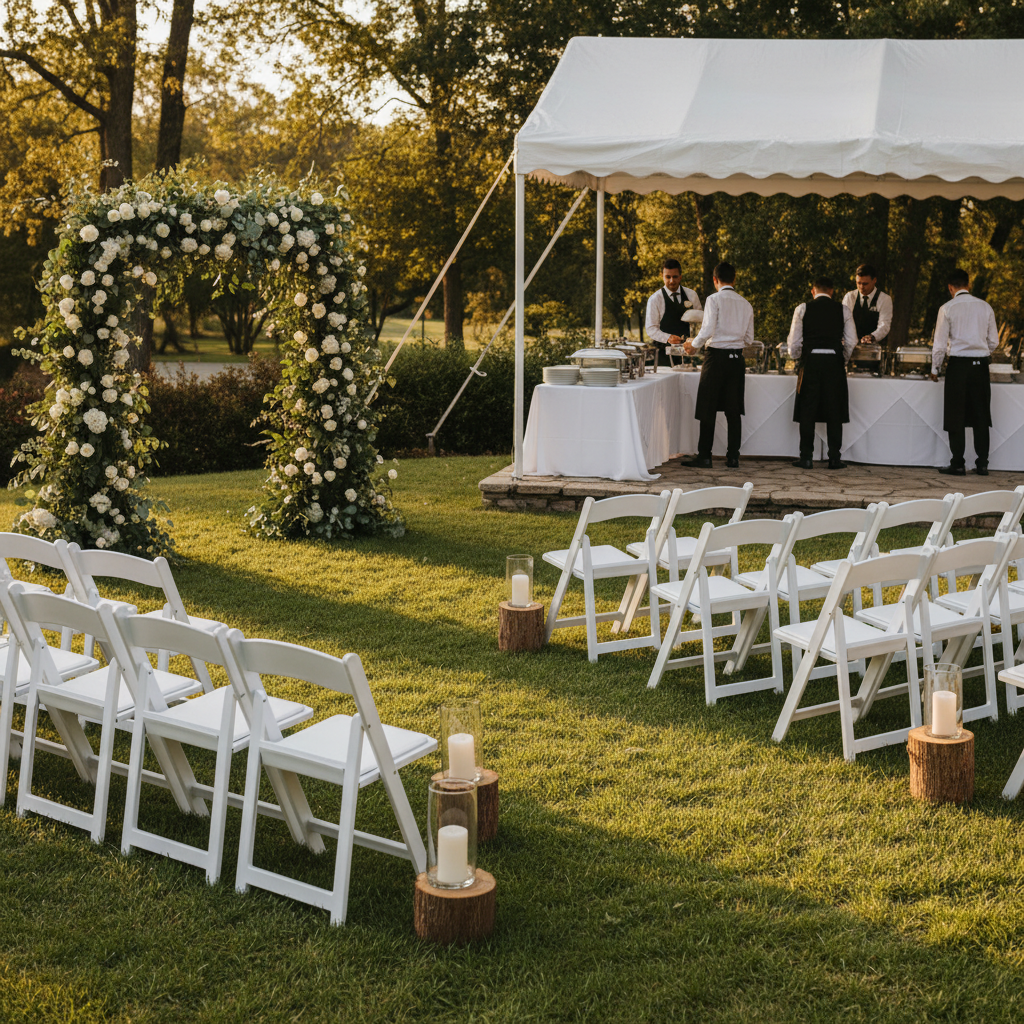
Want to see how multi-room wedding properties present options for ceremonies and receptions? Scanning public venue galleries such as this weddings overview can spark layout ideas and photo inspiration as you plan.
FAQ
What does “all-inclusive” really include at a venue?
Typically: ceremony/reception spaces, core rentals, catering and bar service, staffing, basic AV, and coordination support. Always ask for a written inclusions list and a sample banquet event order to see timing and service details.
How far in advance should we book a full-service venue?
Popular dates can secure bookings well over a year ahead. If your date is flexible or midweek, you may find availability sooner. Ask about waitlists and see if the venue can hold a soft date while you review the proposal.
Can we bring our own caterer to a full-service venue?
Policies vary. Many venues require their in-house team or an approved partner for food safety, logistics, and insurance alignment. If outside catering is allowed, expect guidelines for staffing, equipment, and post-event cleanup.
What accessibility features should be standard?
Step-free routes to ceremony, cocktail, and reception areas; accessible restrooms; reserved parking; and seating arrangements for mobility or sensory needs. Confirm microphone availability and adequate lighting for speeches and toasts.
What’s a smart rain plan for outdoor ceremonies?
Designate an indoor or covered location, decide the weather call time, and pre-stage chairs and AV. Communicate the plan to vendors and bridal party so a last-minute switch feels smooth and coordinated.
Key Takeaways
- Choosing a wedding venue with all amenities streamlines planning and day-of execution.
- Confirm inclusions in writing and compare proposals apples-to-apples.
- Ask detailed tour-day questions about staffing, AV, access, and backup plans.
- Pick the approach (all-inclusive, à la carte, hybrid) that fits your priorities and planning style.
Conclusion & Next Steps
- Use the evaluation matrix to score your top three venues on layout, inclusions, and backups.
- Request a sample BEO and detailed inclusions list for each option—side-by-side comparisons win.
- Schedule a second walkthrough at your actual ceremony time for lighting and sound checks.
- Lock in rehearsal logistics, rain plan triggers, and vendor access windows early.
Want a smoother process from tour to “send-off”? My Business publishes practical guides that help you organize details and choose confidently—especially when evaluating any wedding venue with all amenities.
